

US Heat Pump Incentives Are Ending – Here's How Much Prices Could Rise
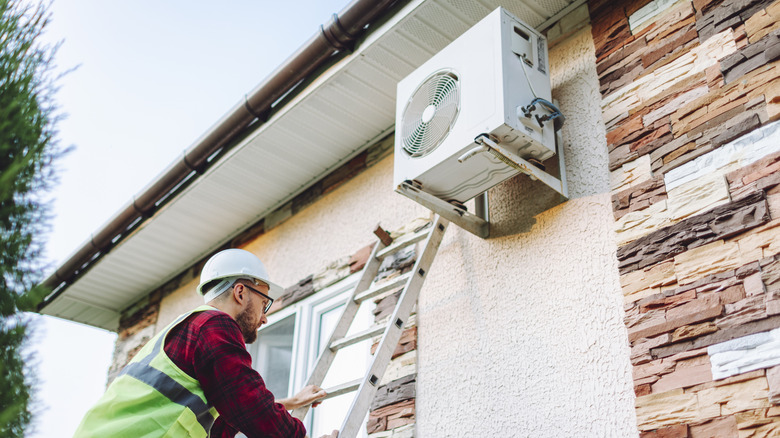
The Energy Efficient Home Improvement Credit ends on December 31, and that means thousands in federal tax incentives will end as well. Prices are about to go up come New Year's Day. Under the soon-expiring credit, eligible homeowners can claim up to $3,200 per year — including as much as $2,000 annually for qualifying heat pumps. Once that deadline passes, homeowners installing heat pumps in 2026 and beyond will no longer be able to keep the heat bill down with help from government incentives.
More specifically, homeowners who install a qualifying electric or natural gas heat pump in their primary U.S. residence have been able to claim 30% of eligible costs for heat pumps and related equipment (capped at $2,000 annually). The credit is nonrefundable and applies only to systems that meet strict efficiency standards and are placed in service (meaning installed, operational and paid for) before the expiration date.
The Energy Efficient Home Improvement Credit has only applied to existing homes, not new construction, and generally only to primary residences. (Landlords and property owners who don't live in the home can't claim it. Same for homeowners who use part of their residence for business, where credits are also slashed.) And while the credit has no lifetime cap, the annual limit means timing has been crucial, especially for households with multi-year upgrades. With the credit ending, that multi-year window is now effectively closing.
What the expiring credit will mean for homeowners in 2026
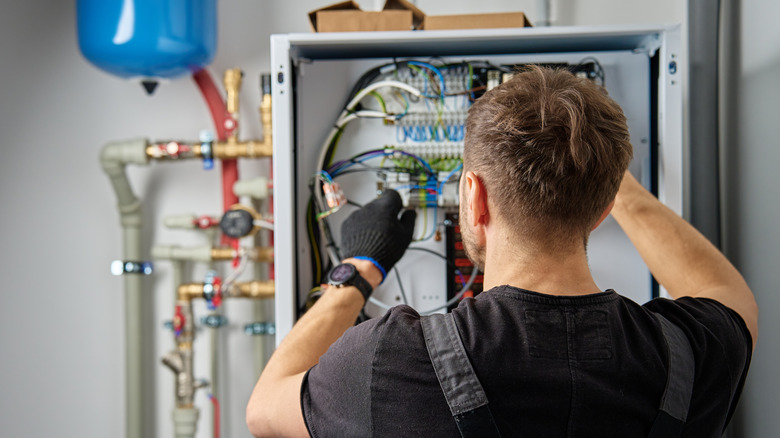
For many households, the loss of the credit means an immediate and hard-hitting price increase. For instance: A heat pump system that might otherwise qualify for the full $2,000 credit will now cost that much more once incentives disappear. On a percentage basis, that can represent a double-digit jump in net cost. And while actual installation prices will vary a ton based on home size, region, and any necessary electrical upgrades, the credit has been a reliable way to offset that initial price tag. Without it, homeowners will be forced to pay the full cost of both equipment and installation labor in 2026 on. That'll make it a whole lot harder to stomach the price, not unlike solar panels after that federal tax credit expired.
Granted, some individual state or utility company incentives may still be in place after Dec. 31. That said, those distinctions are pretty irrelevant on the national level and have no bearing on your federal taxes. For homeowners not sure if they should upgrade now or later, consider this expiration date your deadline if you want to get that credit before it's gone. Heating and cooling companies should probably expect a nice bump in sales, kind of like how Tesla sales skyrocketed before the EV tax credit expired earlier this year.