

Texas Sues Major Smart TV Companies Over Spying Software Claims
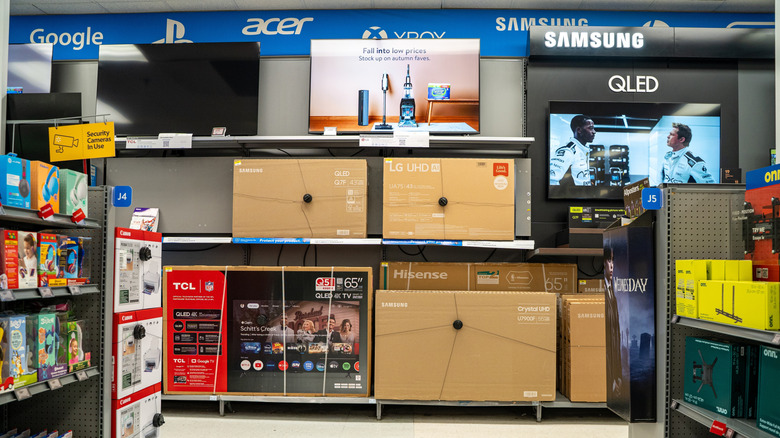
Texas Attorney General Ken Paxton has filed a series of lawsuits accusing some of the world's largest television manufacturers of cashing in on consumers' viewing data. Paxton alleges brands such as Sony, Samsung, LG, Hisense, and TCL are using Automated Content Recognition (ACR) technology to spy without giving notice or receiving consent. (At the time of this writing, the companies have not been found liable, and these allegations have not been tested in court.)
According to the A.G.'s press release, the state claims the manufacturers enabled ACR by default or steered consumers into activating it through confusing setup screens and dense disclosures. The lawsuits argue that the technology captured frequent snapshots of on-screen activity, tracked viewing behavior across apps and connected devices, and transmitted that information back to the companies, where it was allegedly packaged and sold for advertising and analytics purposes. Texas argues that those practices violate the Texas Deceptive Trade Practices Act by misleading consumers about how their data is collected and used.
How the smart TV technology is alleged to work
ACR has been around for years, and it's used across the television industry. It's designed to identify content appearing on a screen, regardless of where it comes from — whether it be cable, streaming apps, game consoles, or some other connected device. In this specific case, the state alleges that the software functions like a near-constant monitoring system that captures images and signals from TVs at extremely short intervals. The lawsuit(s) argue that this allows manufacturers to build detailed profiles of household viewing habits that could be shared with advertisers or third parties for profit.
The Texas A.G. also claims that consumers weren't given a clear opportunity to opt out and that disclosures were buried in lengthy legalese during device setup. He also alleges that the data collection went beyond what was necessary for the television to operate and may have even created privacy risks by capturing sensitive information on-screen (such as personal messages or financial details). The companies will undoubtedly dispute the state's characterizations, and not a one has admitted to any wrongdoing.
Separate action involving Hisense
Of course, concerns about smart TV data collection are not new. In 2017, the Federal Trade Commission reached a settlement with Vizio over similar claims that the company tracked viewing data without proper disclosure. This prompted industry-wide changes that now require manufacturers to obtain user permission. Still, privacy researchers and consumer advocates warn that many users may unknowingly enable ACR because opting out requires navigating multiple menus after setup.
In the meantime, Paxton announced that a Texas court granted a temporary restraining order against Hisense. The order bars the company from collecting, using, or selling any ACR data from Texans while the case proceeds. The restraining order is only "for now" and not a final ruling on the merits of the case. Nevertheless, if any one of the A.G.'s five cases is successful, it could force changes to how these major TV brands present their privacy choices (not to mention limit certain forms of data collection or require clearer disclosures).
If you're concerned about your own TV's data collection, you can go to your TV settings to limit or disable ACR. Federal rules require manufacturers to make this option available, so you shouldn't run into trouble. Every brand calls it something different, but it's there in the settings.