

Travelers Coming To The US Could Be Forced To Show Years Of Social Media
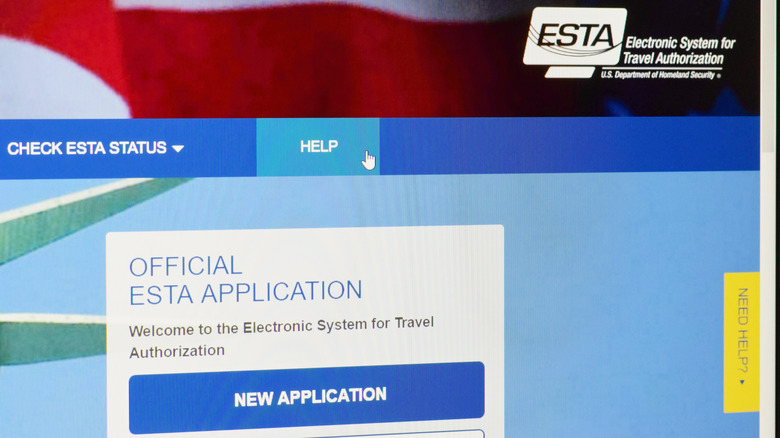
Traveling to the United States without a visa? If you're from one of dozens of countries on the Trump administration's list, you could soon be required to submit part of your social media history to get in. According to an updated plan from the U.S. Customs and Border Protection, visitors with e-passports (also known as biometric passports) who are using the visa waiver program can travel to the U.S. for up to 90 days for tourism or business without getting a visa in advance. With a newly proposed role, they would also be required to provide five years of social media history.
Under this proposed overhaul, personal information like email addresses and phone numbers used over the past several years, as well as detailed personal information about immediate family members (including addresses and contact details), would be required alongside the social media info. The rule specifically applies to citizens of 42 countries, including the United Kingdom, Germany, France, Australia, Japan, Israel, New Zealand, and South Korea.
It's all being roped into the existing Electronic System for Travel Authorization (ESTA) that travelers already have to fill out before getting on a flight to the U.S. Before it becomes official, the proposal still needs to be reviewed by the Office of Management and Budget at the White House. It's also open for public comment through early February.
Where this new proposal fits within larger travel changes
U.S. Customs and Border Protection has not said how a person's social media content would be evaluated or what things might trigger a flag. Nevertheless, the proposal fits within a broader pattern of increased vetting under the Trump administration. For example, biometric exit tech is expanding across U.S. airports. Over the past year, federal agencies have also expanded social media review for student visa applicants and for immigrants seeking citizenship, asylum, or permanent residency. U.S. Citizenship and Immigration Services has also instructed officers to consider online activity when reviewing applicants' backgrounds, including evaluations of "good moral character."
While the proposal would be a pretty significant change for travelers without visas, U.S. officials have demanded something similar from other foreign visitors for years. Social media background checks for visa applicants have been around since around 2017. Still, ESTA has always been there to streamline short-term travel from allied countries. It's supposed to be a much easier thing than the visa process. That's why critics argue that these new (and more intrusive) requirements could undermine that goal and discourage tourism as a result.
Looking ahead, the United States is prepping to host the 2026 FIFA World Cup alongside Canada and Mexico. The U.S. is also set to host the 2028 Summer Olympics in Los Angeles. Both events are likely to bring many tourists, but it's possible that some of those hopeful travelers might be deterred (or barred) from coming to the U.S. as a result of these proposed changes.