

Why New Appliances Break So Fast, From Someone Who Fixes Them
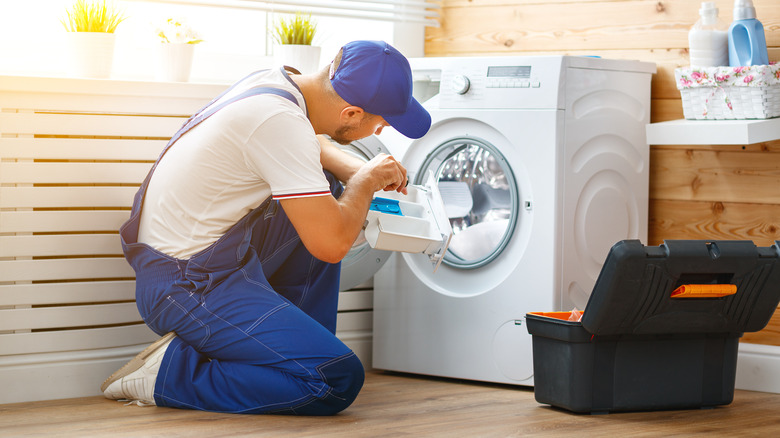
As prices skyrocket, one would expect the quality of the things we buy to increase. Unfortunately, this isn't always the case. Everything from clothing to furniture seems a pale imitation of what was on the market decades ago. Today's products feel like they're made just to break down, with longevity becoming a thing of the past. In many instances, it seems that major appliances have become casualties, even as their prices continue to go up. Of all things to decline in quality, why have products like microwaves, stoves, and washing machines, which really should be built to last, become victims of this trend? As it turns out, there's a reason behind the constant failure of modern appliances.
Take it from Bens Appliances and Junk on YouTube, which specializes in appliance repair: there are multiple reasons why modern appliances appear to break down quickly. For one, they're more complex, with more parts and mechanisms that can suddenly break. Secondly, the companies behind them design them in such a way as to reduce the likelihood that they'll break down during the warranty period, at the expense of the overall lifespan. This is intended to maintain margins by reducing profit-consuming warranty repair costs and selling more models.
Evolving government regulations also play a role by changing how and with what materials products can legally be made. The reliance on fragile electromechanical components — like some of the pretty useless tech in modern appliances – doesn't help either. Not to mention, people keep buying, so nothing changes. While some of these factors could fall by the wayside, the fact is that most, if not all, are likely to stay. So, as a consumer, what can you do to make your appliances last despite everything working against them?
How to keep your modern appliances around for the long haul
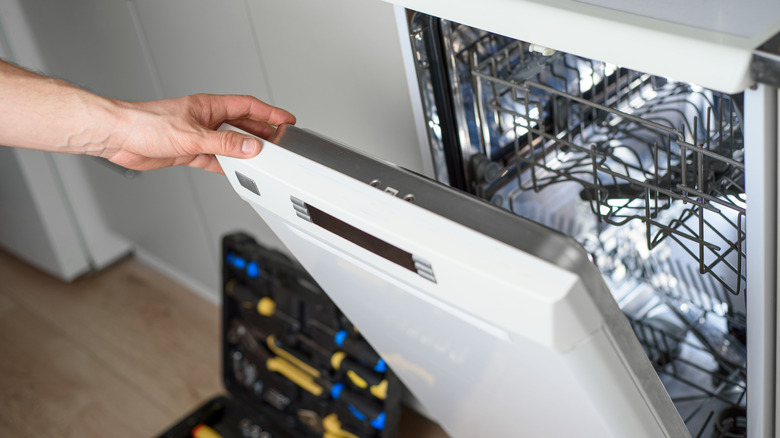
Per the aforementioned breakdown by Bens Appliances and Junk on YouTube, you only get so much time out of modern appliances. Though washing machines and refrigerators are said to get between 10 and 12 years of use according to manufacturers, in reality, those numbers are closer to five to six years and seven to nine years, respectively. To get as close to that high end or even beyond, there are a few things consumers can do for their modern appliances. One of the biggest is routine cleaning, which is not only sanitary but essential for longevity. For evidence, look no further than the cleaning of fridge coils: the elements responsible for moving the refrigerant around and releasing heat. Keeping them clean reduces internal strain, improves performance, and reduces energy consumption.
Another self-explanatory yet still important aspect of appliance maintenance is using them within their limits. Don't overload your washing machine, keep your fridge and freezer doors closed, and don't overfill your blender, for example. The harder they have to work, the more stress is put on the internal components, setting the stage for expedited breakage. It's also crucial to use and keep appliances in ideal environments. They should be used in areas with strong ventilation, connected to outlets with ample power, and, for those that can be stored, put away in cool, dry areas to keep them in useful shape longer. Buying from the most reliable home appliance brands couldn't hurt either when replacements are inevitably needed. There are few things more frustrating than having an expensive appliance suddenly break down. That's why it's important to take good care of what you have, fighting back against all that sets them up for failure from the start.