

Is Your Propane Tank Leaking? Do These Things Immediately
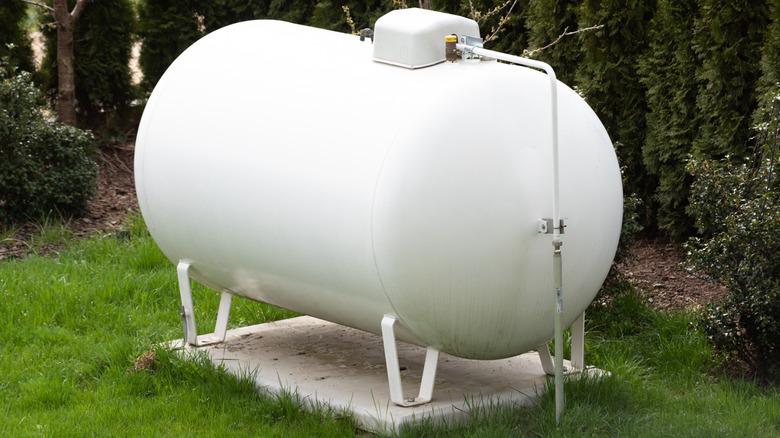
If you have even just one outdoor gadget or piece of backyard camping gear that runs on gas (say, an outdoor grill, patio heater, or fire pit), you'll probably need a propane tank. Now, it's no secret that propane tanks are designed to withstand the test of time, but they can start to lose their strength once weather elements get beneath the surface. This often leads to valves wearing out, hoses cracking, seals drying up, and the tank itself corroding — all of which increase the chance of dangerous leaks.
Of course, it's easy to assume that a small propane leak isn't such a big deal. However, propane gas is naturally colorless and odorless, posing a significant risk because it can go undetected in the event of a leak. After all, if you breathe in too much propane, you'll likely suffer from oxygen deprivation that can be fatal. Not to mention that this gas is heavier than air and can spark a fire when exposed to electrical current.
Given these risks, it's essential that you know what to do if you notice any warning signs of a propane gas leak in your home. Think of the classic rotten egg smell, burners having uneven flames, or you're suddenly refilling your propane tank at Tractor Supply or another provider more often than you have in the past.
Here's what to do when you notice signs of a propane gas leak
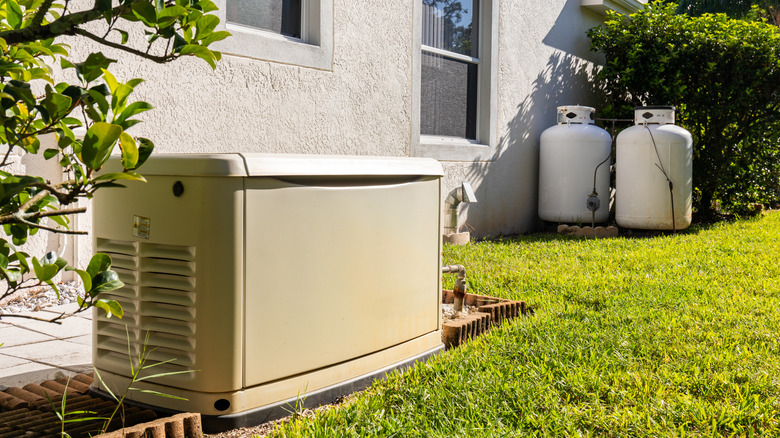
You should always treat a propane leak as a serious issue that demands immediate attention. For this reason, if you have a hunch that something is slightly "off", begin by reducing the risk of fire or explosion. If it's inside your home, open all the windows and doors to let air circulate. You'll also want to avoid fans and any electronic devices, such as phones and electrical switches, that can create accidental sparks.
Next, detect where the leak is coming from by performing a "bubble test". All you need to do is mix a solution of water and soap (any dish soap will suffice), then apply it around the tank, pipes, and gas line connections. Where there is a leak, bubbles will form. Once you've detected the leak, disconnect the tank from your appliances and turn off the gas supply at the tank to prevent additional propane from escaping.
Because it's easy for you and your loved ones to create static electricity that can create sparks and ignite the gas, if you're dealing with a whole-home propane tank, you'll want to evacuate the premises. Remember to take your entire family with you, including pets, and if you dwell in an apartment, ask your neighbors to leave the premises as well. And once you're certain you are at a safe distance, call your local gas company or fire department to inspect and address the issue.