

This Common Energy-Saving 'Tip' Can Actually Hurt Your Home's HVAC
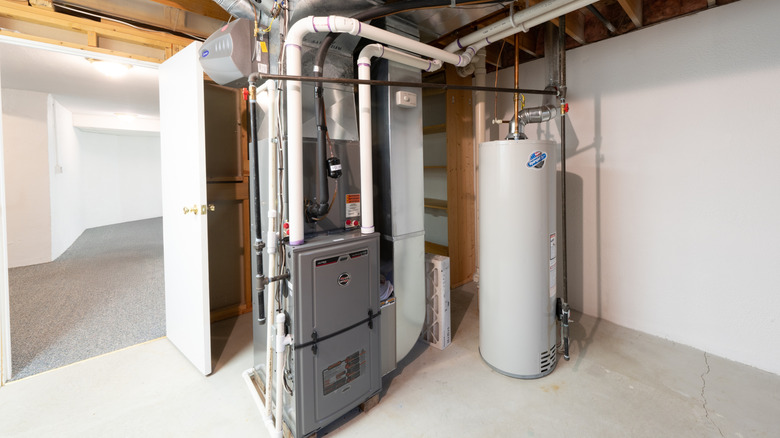
With temperatures dropping significantly, it's important to have a functioning HVAC system in your residence. For your comfort and health, it's nice to have a working heating system, like it's good to have central air, or at least some airflow via a blower, in the warmer summer months. In either case, though, it's worth taking the right steps to save money on your monthly energy bill while still reaping the benefits of your HVAC system. Unfortunately, this is a subject with some misinformation, and much of the old-school advice about HVAC no longer applies. One longstanding energy-saving myth actually has the opposite effect that folks may think it does.
It has been said that keeping interior doors shut while your HVAC system is running is a good idea. It seems a logical step that segments your home a bit, making your heating and cooling system work less hard to distribute the desired air and impact the temperature. As it turns out, this isn't actually true. Cutting off portions of your home in this way actually forces the HVAC system to work harder than it would otherwise. It creates a pressure imbalance between air temperatures at different locations, which strains the system as it attempts to compensate for it. In turn, this increases your energy bill as the HVAC system overworks itself. Doors should be kept open for the maximum flow possible.
The last thing anyone wants is to run their HVAC system down while ballooning their energy costs. Aside from opening interior doors, there are other steps to take to maintain your HVAC system's physical integrity and keep your heat bill down this winter.
Keeping your HVAC system in top shape
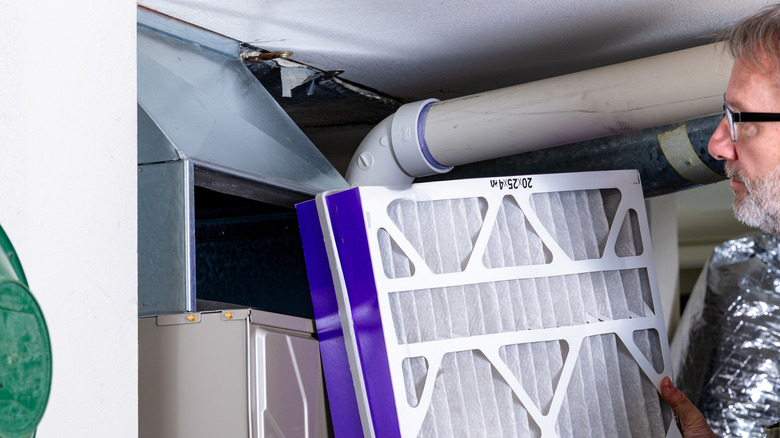
There are a few things you should do to ensure your HVAC system itself is in the best shape. The easiest way is to inspect as much of your ductwork as possible, looking for loose connections, holes that allow air leakage, contaminants such as dirt, dust, and mold, and large obstructions. You should also look at the seals around your windows and doorways and make repairs as needed. If you're not comfortable handling any such issues yourself, you should contact a professional as soon as possible. Generally, it's a good idea to have your HVAC system inspected regularly, at least once a year, as it provides reassurance that everything is working as it should and there's no damage or danger present.
Something you can and need to do yourself is replace your furnace filter and any other filters within your HVAC system. 1-inch to 2-inch filters should be replaced between one and three months, while 4-inch filters last between six and nine months of use, and 5-inch filters last between nine months and a full calendar year. Even still, filters should be checked regularly, and if they appear full of dust, they should be quickly replaced. In addition to pushing more dust and debris into the air in your home, clogged furnace filters can become fire hazards. Warm air will struggle to move freely, flowing back through the system and causing overheating.
HVAC systems make weather extremes bearable, so they're definitely worth investing in. You should also do your best to learn about HVAC and how it all works, and when you'll need to replace your home's entire furnace, so that you don't put supposedly helpful yet truthfully harmful "help" into practice.