

Do Ryobi Batteries Have Low Voltage Protection?
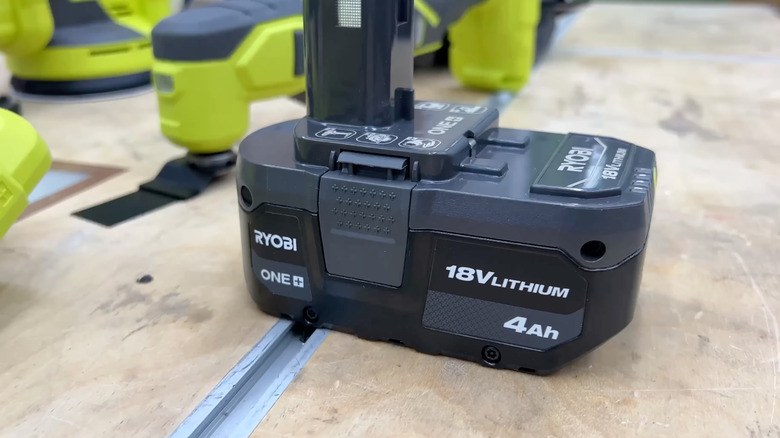
Ryobi continues to be one of the most respected tool manufacturers on the market, even if some of them are pretty obscure, and that's for a variety of different reasons. One of the most notable reasons why Ryobi is one of the market leaders in power tools is its robust lineup of batteries. Most of these batteries include Ryobi's EDGE technology, and they're designed to be used specifically with Ryobi's own tools.
Of course, power tools that run on batteries should have some sort of low-voltage protection. If the voltage is lower than what's required, the device could either slow down or stop working altogether, which means that the tool will not be performing its task correctly, but it could also mean damage to internal components. Ryobi's batteries include low-voltage protection, which essentially means that the tool will stop working in the aforementioned incorrect voltage situations in order to prevent damage to internal components like the motor.
Why low voltage protection is important
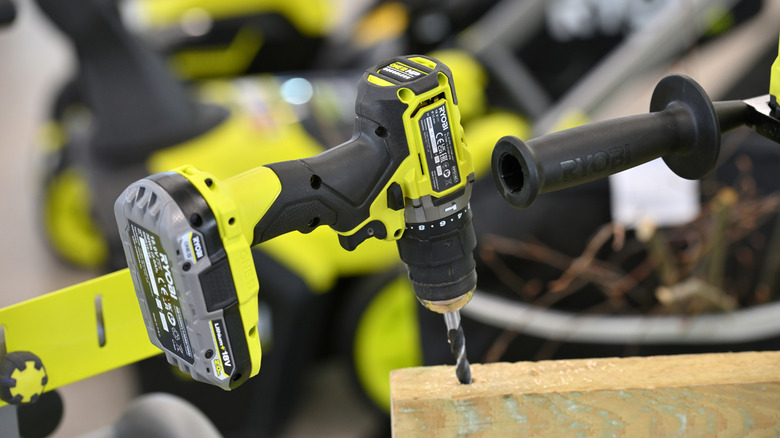
One of the key benefits of having low-voltage protection is that the tool will never run at below-optimal outputs. As mentioned before, all of the componentry inside the tools is designed to run at a specific voltage, and the less voltage there is, the less effective the tool will be at performing the required task.
What's more, low-voltage protection ensures longevity, as prolonged operation at incorrect voltages can significantly diminish the usable shelf life of a tool. As incorrect voltages can also cause damage, the low voltage protection can save you a good amount of money on repairs, or possibly buying a new tool altogether. Ryobi tools that run on the company's batteries will also power down in case they detect overheating, though resetting is very easy — just release the trigger and start again, and it should be back to normal.
Even though the low-voltage protection will keep you out of sticky situations, it's necessary to take all of the other precautions that Ryobi recommends when using one of its batteries. Keep the battery away from small metal objects when it's not in use, don't drop it, and do not place the battery near a heat or fire source. While third-party chargers do exist, Ryobi also recommends only using its own proprietary chargers to keep the batteries charged to ensure maximum longevity and the best possible charging.