

How Long Can You Run An Outboard Motor On Muffs?
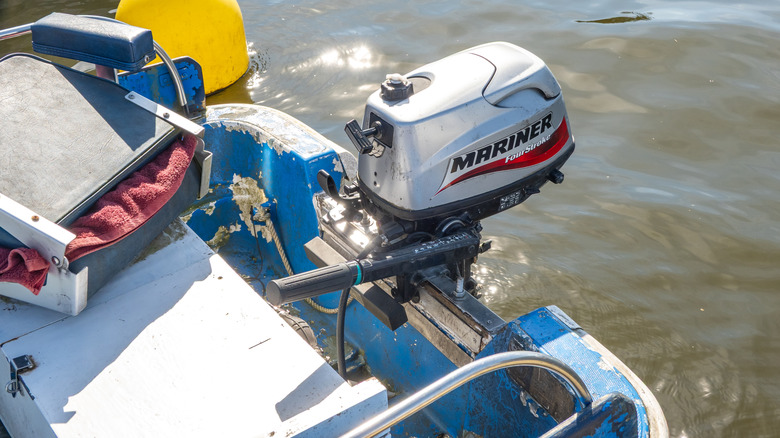
Part of owning a boat means doing regular maintenance to keep the engine and its systems in good running condition. That's especially true for motors that don't have built-in flush ports, as you may need to use devices known as muffs to clear out the cooling system. When it comes to how long you should run the motor while using muff attachments, the answer can vary based on the manufacturer.
For example, Yamaha recommends idling an outboard motor for about 15 minutes while using muffs. In contrast, Suzuki says to use flush muffs on an outboard engine while it's idling for about 5 minutes. Mercury Marine is even more specific, saying that a flushing attachment should only be used for around 3 to 5 minutes. However, the manufacturer also warns that the motor should not go above 1,000 rpm while the muffs are being used.
The fact is there isn't a universally recommended time for running an outboard motor while using flush muffs. Since the exact timeframe depends on the engine manufacturer, it's important to consult your owner's manual for tackling the job before you do it. If you can't find the information, you could contact your local dealer to get their advice on how long you should leave the engine running while flushing the system.
Important tips for flushing your outboard motor
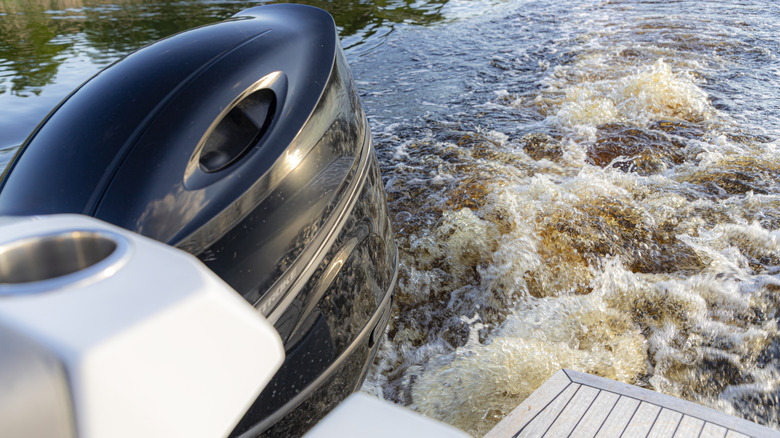
Yamaha recommends removing the propeller from your outboard boat engine before you attach muffs if the propeller isn't in the water. That's because a spinning propeller is dangerous and can lead to a serious injury. Additionally, you may need a muff adapter for certain setups, and once it's attached, you can run a garden hose in with the other end pulling from a supply of clean water. Then you can flush the system using the process recommended by the manufacturer.
Flushing an outboard motor is important because of what it can pull in from the water. If sand, mud, or other material gets into the engine, it can cause performance issues. The water pump may be impacted, and if left unchecked, the engine could be affected, thereby shortening its lifespan. While this scenario can take time and may not happen overnight, you should regularly flush the engine to remove any blockages.
However, not all engines need muffs to flush the system, which is why it's good to be familiar with your engine before any work is done. This is especially true if you boat in saltwater, as salt, just like other contaminants, can build up in the engine over time. When that happens, you run the risk of corrosion occurring inside the engine, which can directly affect how it performs. A buildup of salt can also impact the engine's cooling ability, which could make things even worse.