

What Does CRI Mean For Flashlights & Why Does It Matter?
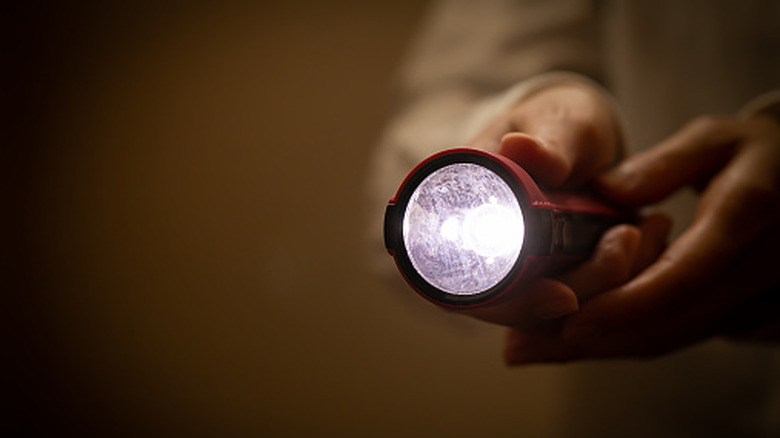
At first blush, other than peak beam intensity (measured in candelas), most flashlights seem more or less the same. However, there are other important specs that determine the quality of a flashlight, many of which you may not even be aware of. Case in point: color rendering index, or CRI.
Lumens matter, especially in an emergency, but CRI is also important for any situation where seeing the colors of an object matters. CRI is about color fidelity. It describes how closely colors under a light source match those under a reference light source with the same color temperature, or, generally speaking, how accurately colors appear when light shines on them. A higher score means a closer match, with a score of 100 meaning no difference. Note that negative scores are also possible.
The number advertised for most flashlights typically means Ra, which is the average result for eight samples with low to moderate color saturation. It's not an indication of what percentage of colors a flashlight can correctly reproduce.
Why color rendering matters in a flashlight
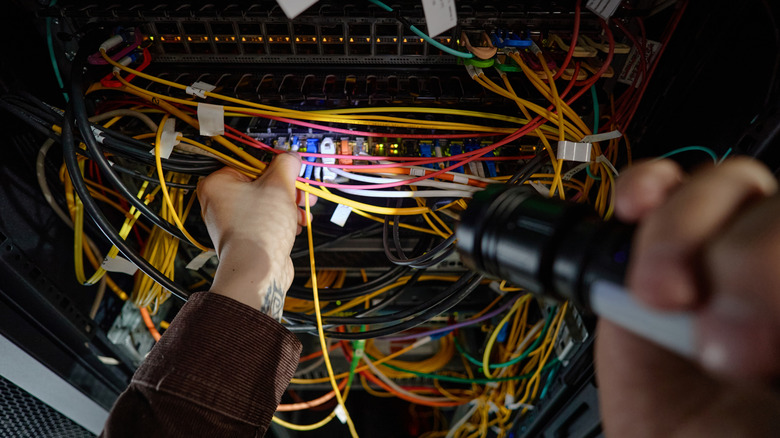
Even comparing some of the most popular flashlight brands in the U.S., you'll find a wide variance in CRI across different models. For many situations, color fidelity isn't a huge priority, but it does become important in scenarios like trying to identify differently colored wiring or inspecting fabrics or automotive finishes. For work like this, a CRI of 90 or above is a good baseline when comparing flashlights.
That said, a high headline score doesn't guarantee faithful reproduction of every color. For instance, the eight samples averaged into Ra exclude saturated red. Red rendering has its own special index, called R9. This means two lights with the same rough CRI can render reds quite differently. If that distinction matters for your use case, you'll want to prioritize the R9 value rather than relying exclusively on a CRI score.
Even the eight included samples can sometimes mask uneven performance, because the results are averaged and not broken out independently. CRI works as a good general indicator, but if your work requires closely differentiating between similar shades of the same color or other very color-intensive work, only a hands-on test will really suffice.