

Not Boston, Not Portland: iSeeCars Says This Is The Least EV-Friendly US City In 2026
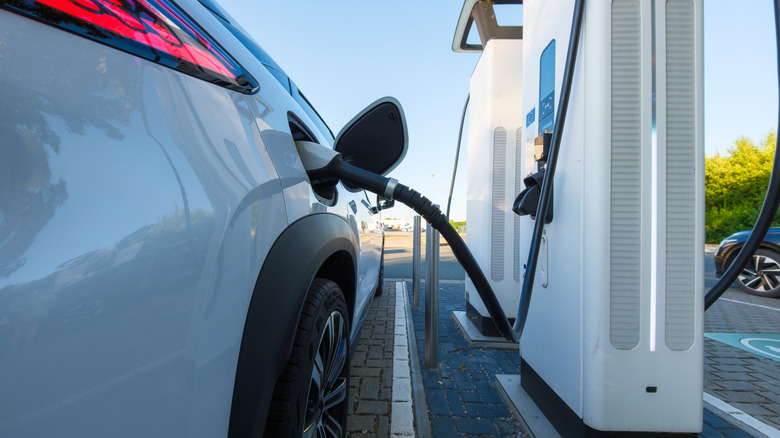
Making the change from a gas-powered vehicle to an electric one can be a big transition. Surging gas prices are drawing in some new buyers, but the decision to go electric goes beyond sticker price and fuel savings. Driving range is typically a top concern, but many consumers also worry about when and where they'll be able to charge. Charger density and availability are part of what some are calling EV-friendliness, which refers to how easy it is to own and drive an EV in a certain geographical area.
According to iSeeCars data, the charging network in the United States is still growing but has slowed considerably. Still, iSeeCars projects that more than 40,000 new chargers will be added by the end of 2026, bringing the total to about 299,800 across the country. But easy access to electric car charging points varies widely depending on where you live. Based on the number of residents per charger, San Francisco is the most EV-friendly metro area in the country, with an average of 334 residents per charger. Conversely, Louisville, Kentucky, ranks as the least EV-friendly of the 50 largest U.S. metro areas, averaging 2,904 residents per charger.
iSeeCars counts Level 2 and Level 3/DC fast-charging ports using data published by the U.S. Department of Energy's Alternative Fuels Data Center. When you look simply at the total number of chargers available, Los Angeles wins with 36,318 chargers, while Louisville again has the fewest, with only 621 available. Before you seal the deal on that new Mach-E, take a look at the latest data on charging infrastructure.
EV charger access varies widely by state and metro area
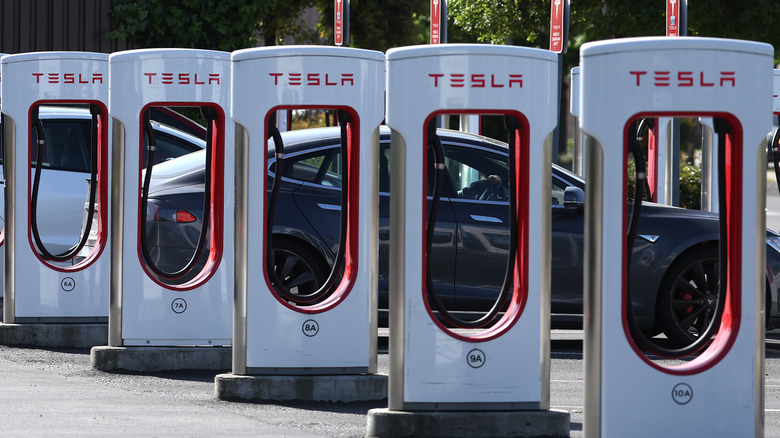
Some EV owners solve the charging problem by simply installing a home charger, but that's not a solution for everyone, especially city residents and those who live in apartments or condos. It's also expensive, typically costing between $800 and $2,500. If a home charger doesn't work for you, you'll have to rely on the public charging network. L.A. and San Francisco make that easy, as do San Diego, Denver, and Boston. If you live in Louisville, you may struggle to find a charger. Indianapolis, Milwaukee, Greensboro-Winston-Salem in North Carolina, and San Antonio round out the five least EV-friendly metro areas.
Taking a broader view of the data, California has more chargers than any other state, with almost 82,000 publicly available. That's more than three times the second-place winner, New York, which has about 24,500 chargers. Florida, Texas, and Massachusetts round out the top five and all have more than 13,000 chargers available.
Public chargers are scarce in Alaska. This large state only has 227 available! North Dakota, South Dakota, and Wyoming all have fewer than 500 public chargers for EV drivers, while Montana has just 502. Examining the number of chargers per resident, Vermont just edges out California as the winner, with 450 residents per charger. Louisiana loses that race, with a whopping 4,717 residents per charger. The regional differences are staggering, and buyers should definitely consider charging infrastructure challenges before making any big purchase.