

Gas Prices Are Beginning To Come Down Some In Select US States - Here's Why

If you've been waiting in vain for gas prices to drop, or you're fretting about that long drive you're planning during the holiday season, there may be a bit of good news — but it all depends on where you live. Even though gas prices have dipped a bit since last week, AAA is still reporting a national average of $4.36 per gallon at time of writing. One year ago, Americans were paying an average of $3.12 per gallon. You're emptying your wallet even faster if you drive a vehicle with a diesel engine. Diesel fuel is $6.30 per gallon, an increase of more than $2.50 since last October.
It's a painful reality with no real relief in sight. The main driver behind high prices is the war in Iran, a conflict that does not have an easy off-ramp. In early October, President Donald Trump signed an executive order that waives restrictions on the sale of red-dyed diesel. This type of diesel fuel, named due to the red tint that's added to distinguish from other types of diesel, is exempt from federal taxes because it's typically used for farm and industrial equipment. The move will allow the temporary highway use of red-dyed diesel, bringing relief to some.
Individual states are also taking action to help drivers. Several factors drive prices in each state, including taxes, transportation costs, and state-specific regulations. Some states are switching to a winter blend early, some have lifted restrictions on the sale of red-dyed diesel, and others have temporarily suspended gas taxes.
A drop in the bucket
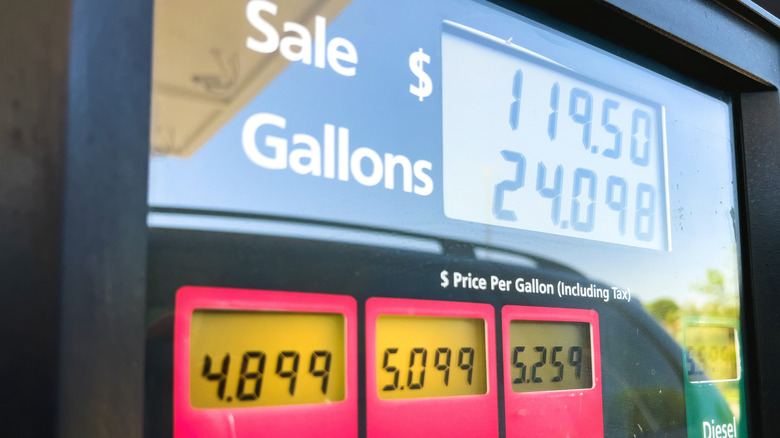
Pocketing a few cents per gallon may be a welcome change, but these actions won't bring wide-spread relief to most drivers. Every state has its own regulations and taxes regarding red-dyed diesel and a federal executive order does not override those restrictions. Additionally, both the trucking and gas industries advise caution. The Society of Independent Gasoline Marketers of America and the National Association of Truck Stop Owners told members that they do not expect reputable diesel retailers and fuel marketers to sell red-dyed diesel. In addition to state-level taxes and challenges, residue from red-dyed diesel remains in fuel systems and tanks. Additionally, the federal tax owed is simply being deferred until 2027, meaning the cost could still be passed on to consumers.
State-level actions have a better chance of temporarily lowering prices. The governor of California ordered an early switch to the cheaper winter blend. At time of writing, Georgia, Illinois, Indiana, Kentucky, Ohio, and Utah have suspended, lowered, or delayed a planned increase of state fuel taxes. If gas prices continue to rise, however, these actions are a mere drop in the bucket. If oil hits $150 per barrel, a price experts say is a "danger zone," Americans could expect to pay $6 or more per gallon.
It's easy to get frustrated by the prices at our local pumps, but Americans are actually paying much less than the rest of the world. In Norway, Denmark, and The Netherlands, gas is more than $10 per gallon. It's almost $9 per gallon in the UK, and Canadians are paying about $5.50.