

Why Do So Many Modern Cars Have Sealed Cooling Systems?
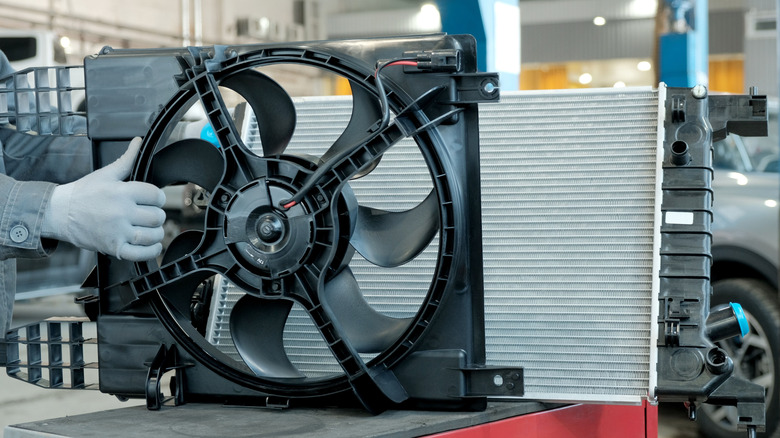
An internal combustion engine (ICE) produces mechanical power by burning a carefully controlled mixture of oxygen and fuel. Unfortunately, only 12% to 30% of the energy goes into turning the wheels, which is one reason a diesel engine is more efficient than a gas one. Most combustion energy is released as heat, which can make things pretty hot under the hood.
Today, engines typically run between 195 and 220 degrees Fahrenheit and utilize a closed-loop cooling system to manage thermals. The main parts of an engine cooling system include a fan, radiator, thermostat, pump, and an overflow tank. A closed-loop cooling system doesn't permit contact with outside air , operating in a self-contained manner and recirculating specialized liquid coolant continuously through the engine. This offers several advantages over older open cooling designs, which is why it's found in most modern cars. A closed system is pressurized, which has the effect of increasing the boiling point of the coolant. This means the coolant can withstand higher temperatures under pressure before vaporizing, so less liquid coolant is lost over time.
The sealed cooling system is also more efficient with less impact on the environment. When engine temperatures remain in the optimal range, it results in reduced emissions and is less likely to overheat. In addition, some older open systems would spit coolant onto the ground as the engine heated up, while the closed-loop design keeps it contained.
What are the downsides of closed loop cooling systems?
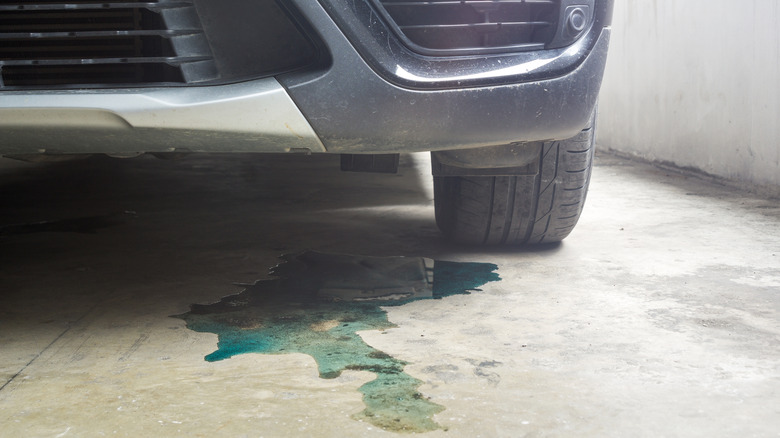
While a sealed system certainly provides advantages, there are also some challenges that go along with it. One of the problems that drivers can experience is discovering that their coolant level is falling. A closed system is more complex in design, with higher-than-normal pressure levels leading to component failure if left unchecked.
The pressure within the sealed system can also be dangerous. While the radiator cap on a closed-loop system does vent if pressure gets too high via a spring-loaded valve, this mechanism can fail, leading to a bursting radiator, among other major problems. It's extremely important to remember to allow time for an engine to cool down before removing a radiator cap. If an engine's hot, system pressure can spray boiling coolant onto anyone leaning over the engine, causing serious burns.
Due to the additional complexity of the system, leaks aren't always easy to locate. For instance, it could be one of the many hoses moving coolant that has developed a crack. It could also be one of the several places a hose connects, which utilize clamps to help create a seal. None of these places may show an obvious sign of a leak, such as coolant dripping from a visible perforation. You can verify a leak by using a specialized tool called a pressure tester. However, while the tester can indicate low pressure and thus a likely leak somewhere, it can't pinpoint the exact location.