

Aluminum Vs. Ceramic Vs. Titanium Apple Watch: What's The Difference?
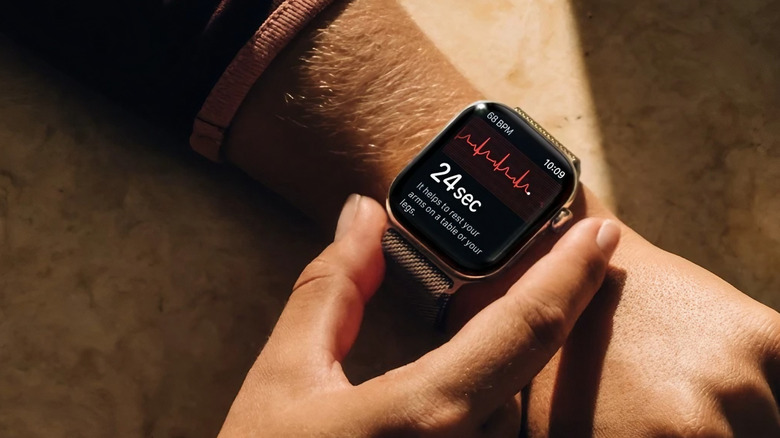
Apple's newest mainstream smartwatch, the Apple Watch Series 12, has gone big on choice this year, offering three different case materials: aluminum, titanium, and ceramic. Of course, despite the differences in materials, all three versions still share the innards. So the choice comes down to which material suits you the best — and how much you're willing to pay for it. Aluminum is the most affordable option, starting at $399. Titanium bumps that up to $699. Ceramic costs more than twice as much as aluminum and starts at $899.
Ceramic is rather different compared to the others. The type used in watches specifically is known as zirconium dioxide, a non-metallic material known to resist scratches very well. It does have a tradeoff, though, that it can crack if it takes a hit hard enough. However, Apple's version is slightly different, since it uses a mix of zirconia and alumina, a hard alumnium oxide. The company has specifically marketed this material as being four times harder than stainless steel.
Meanwhile, titanium is a less scratch-resistant material, but still overall tougher because of its ability to absorb impacts better. It's also lighter than steel and naturally resists corrosion. Most watch titanium comes in either Grade 2, which is nearly pure, or Grade 5, first used with the iPhone 15 Pro. Apple hasn't said which grade the Series 12 uses, though.
Finally, aluminum is the softest of the bunch, and therefore maintains that fresh look for less time, picking up everyday scuffs sooner. It's a similar tradeoff that shows up when people weigh whether aluminum or titanium is better for phone frames.
The smaller differences and which one makes sense
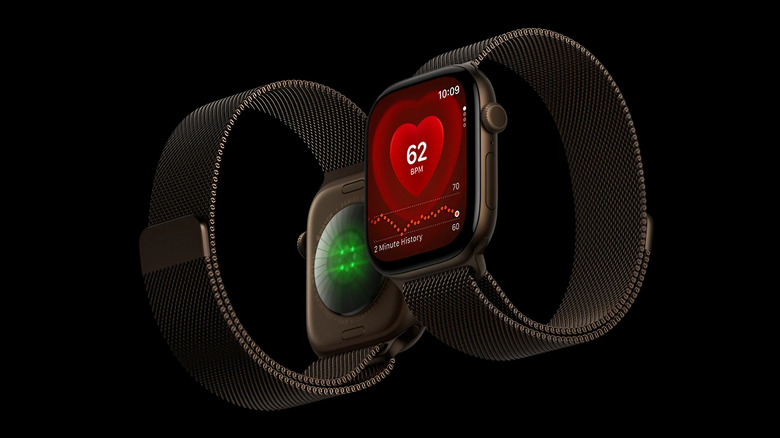
Weirdly, the ceramic case runs slightly larger than the other two, even though Apple more or less labels the three to be of the same size. The ceramic stands 47mm tall, just a smidge larger than its aluminum and titanium siblings, which measure 46mm. While this may not be noticeable, you'd certainly be able to tell the differences in weight. A 46mm aluminum model weighs 39.5 grams. Titanium comes in at 44.9 grams. Meanwhile, ceramic tips the scale at 52.9 grams. That's a difference of 13.4 grams versus aluminum, and you'd notice it on your wrist.
As for colors, aluminum offers the largest spread with dark bronze, black, light gold, and space gray. Titanium gets just two, radiant gold and natural, as does ceramic with pearl white and night blue.
But it's not just the case materials that vary between these watches. Depending on the model you get, the glass over the display changes too. The aluminum models use Ceramic Shield 2, the same glass that covers the latest iPhones. Apple says it's 60% tougher than the Ion-X glass from Series 11. However, the titanium and ceramic models take it a step further, using sapphire glass, a scratch-resistant material often used in high-end watches.
At the end, you do get more premium, tougher materials the more you spend. But aluminum still makes the most sense for most people since it gets every feature from its more premium variants for the least money. Going for the other options only makes more sense if you like to rough your watches up.