

Why This Year's iPhone Event On September 9th Might Not Be Like The Others
When it comes to tech launches, we've gotten a bit used to brands following the typical reveal and release pattern. But this year, Apple is allegedly shaking things up for its September 9th launch event, called "Surprise and Shine."
According to Bloomberg, Apple could be doing a two-wave launch for the iPhone 18, meaning the full lineup wouldn't be coming in September — only the iPhone 18 Pro, Pro Max, and the foldable iPhone, which is expected to be called the iPhone Ultra. The event may also reveal two new colors, cherry red and light blue. The rest of the models — the iPhone 18 standard, iPhone Air 2, and iPhone 18E will be released around March 2027 instead.
If Apple goes with this approach, it means the most expensive versions with more features would be coming this fall. The less expensive options wouldn't be available until next year. This would ensure that Apple could see a more consistent revenue flow throughout the year. "Surprise and Shine" will be on September 9th at 10 AM PST on YouTube, the Apple Event page, and the Apple TV app.
What do we know about the iPhone Ultra?
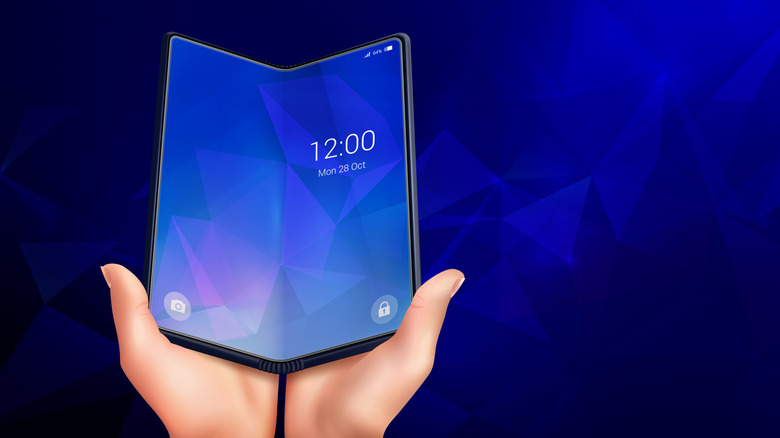
As of publishing this article, the "Surprise and Shine" iPhone launch event is still very much a mystery — it's still not fully confirmed that the foldable iPhone will be revealed, although it's expected to launch around September 2026. Apple's first foldable iPhone is expected to be priced over $2,000, making it the most expensive (and exciting) in the 2026 lineup. Bloomberg's report indicates that early testers loved it and many are willing to pay the high price tag.
The foldable iPhone, rumored to be called the iPhone Ultra, has been in the works for a decade due to Apple's goal of having no visible crease. The Ultra is more wide than tall, opposite to most foldable smartphones available on the market. Due to its 4:3 aspect ratio, the iPhone Ultra will feel a bit like an iPad — and a iPad Mini when folded.
It's rumored that the iPhone Ultra will be Apple's thinnest iPhone yet at 4.5mm — that's even thinner than the iPhone Air. Apple was allegedly able to get it so thin thanks to a new display panel from Sony that has touch sensors directly in the display panel, reducing the phone's thickness by 19%. The Ultra's extreme thinness meant sacrificing one rear camera (the telephoto lens) and going back to Touch ID instead of facial recognition. However, the screen display, brightness, and battery life shouldn't be compromised.