

There's A Good Reason Why You Should Immediately Wash Pollen Off Your Car
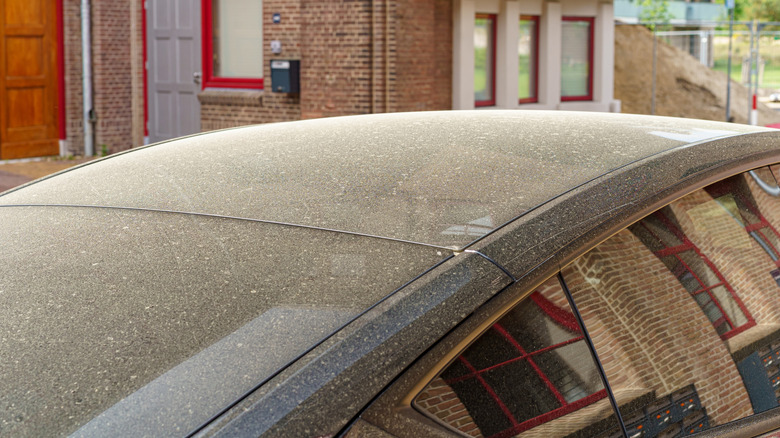
Pollen season is challenging one for those who are allergic to the spring event. According to WebMD, around 20 million people in the U.S. suffer from symptoms such as sneezing, congestion, and watery eyes. Depending on where you reside, peak tree pollen season (when you notice a yellowish layer on your car), occurs anywhere from March to June, with some areas like Kentucky, Tennessee, and Washington getting hit the hardest in 2026, per Newsweek.
However, pollen can also wreak havoc on your automobile. While there are several types of pollen, some of them include spiny exterior layers. These sharp features can help pollen grains adhere to surfaces, but can also damage the paint on your car. You'll need to be especially careful if you're considering buying a car with matte paint, as it's even more sensitive than glossy finishes to things like pollen. In addition, that yellow dusting across your vehicle's exterior is high in acidity, which can eat away at the paint if left untreated.
Avoid using a cloth to wipe away pollen, as you are pressing those spiky yellow grains into the paint, creating an effect similar to rubbing sandpaper across your car. Instead, you should rinse the pollen off with water. According to a car detail expert, Jeremy Jones, who spoke with CBS 17 news, in terms of pollen, "If you can get a water hose at your house daily and get it off from your paint, do it as often as you possibly can."
What helps keep pollen off your car?
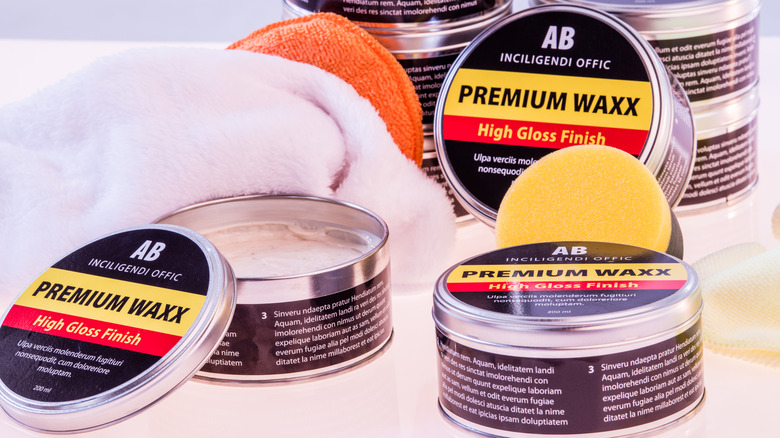
Unfortunately, there isn't a definitive way to prevent all pollen from sticking to your car. However, there are a few steps you can take. For example, apply a wax finish to your car's exterior, as it forms a clear layer over the paint that resists minor scratches. In addition, applying a layer of wax makes your car's exterior slicker, meaning that pollen may not be able to adhere as well to the vehicle's surface. Of course, not every product is created equal, so you'll want to select from the best car wax options, which can come in the form of pastes and sprays.
While some forms of pollen are literally carried on the wind, making them virtually impossible to avoid, you can reduce exposure by being more selective in where you park. Obviously, a garage would be best, but even covered parking spots can help limit pollen from collecting on your vehicle. If either option isn't possible, simply avoiding parking in places that put you directly under pollinating trees can help.
Also, if you don't have a sheltered parking option, while not necessarily convenient day-to-day, you could put a cover over your car, though you'll want to ensure your exterior is clean prior to draping a cover over it. If things like dirt or pollen are on the surface of your car's paint and you put a cover on it, wind can cause scratching, as the cover presses into the debris on the paint.
Paint damage lowers the vehicle's value, but that's not the only problem
If you don't work to prevent pollen from taking a toll on your car's exterior, those blemishes in your paint actually lower the value. According to Bimmer-Mag, even minor scratches can drop your vehicle's resale value by up to 10%. In the eyes of a buyer, these are potential signs the car wasn't properly cared for, leading to questions about what else besides the paint might have been neglected.
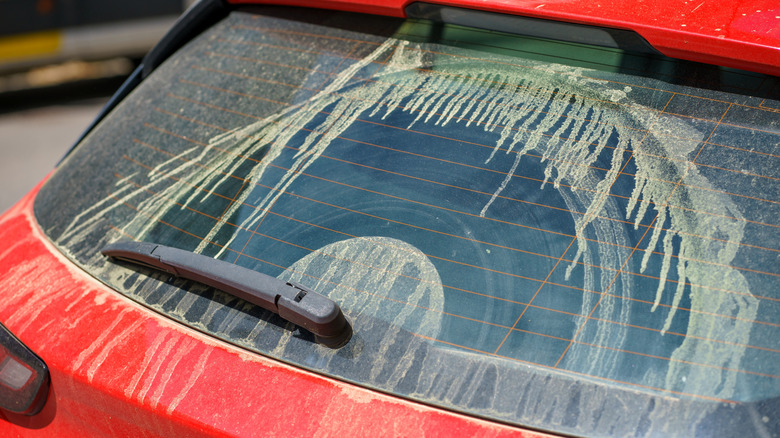
However, if you thought pollen was only an issue for your car's paint, think again. Pollen also collects on your windshield and wipers. Just as those tiny grains can damage paint, they can also cause scratches on the glass of your windshield. Since wiping away pollen with a cloth is ill-advised due to the harm it causes your vehicle's exterior, it doesn't take much to imagine engaging yellow coated wiper blades, which would drag abrasive pollen grains back and forth across the glass.
This is one of the reasons it's important to maintain your windshield wiper blades to ensure they last, including regular cleaning and verifying the wiper fluid reservoir is full. If you notice pollen on your car's wipers, unlike the car's body, you can take a moist towel and wipe away the yellowy substance.