

Ex-Tesla Manager Labels Self-Driving Car Tests 'Highly Dangerous' In New Lawsuit
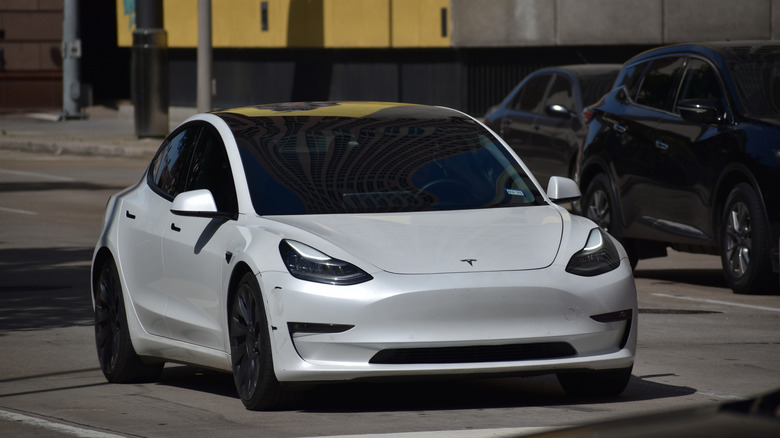
A fired Tesla manager is accusing the electric automaker of dangerous Full Self-Driving testing operations in Houston, Texas. Thirty-two-year-old Javier Medrano, who oversaw the company's real-world testing of an autonomous fleet in Houston, Texas, in 2024, is now suing his former employer for "retaliatory termination" after raising internal concerns about "severe, systemic safety oversight defects" in the company's FSD testing practices.
According to Medrano, Tesla allegedly doubled the number of vehicles and drivers that he had to oversee on his own, thereby violating safety protocols. In the lawsuit, first spotted by The Independent, he stated that he was responsible for 38 vehicles operating 24 hours a day over three different shifts. This violated Tesla's 15:1 operator-to-manager safety ratio, bringing it to a "highly dangerous" 38:1. Overseeing all 38 vehicles allegedly required Medrano to work up to 80 hours a week, including being available during weekends. Medrano claims he eventually stopped eating or sleeping. Medrano alleges that his requests for time off and additional staff were not granted, and he was instead served with a performance-related ultimatum.
This is far from the first lawsuit Tesla has been involved in, of course. The company is facing a "Blade Runner" lawsuit related to promotional imagery for the Cybercab, and has also been subject to lawsuits over EV range claims and workplace discrimination and harassment.
Limited staffing leads to multiple crashes
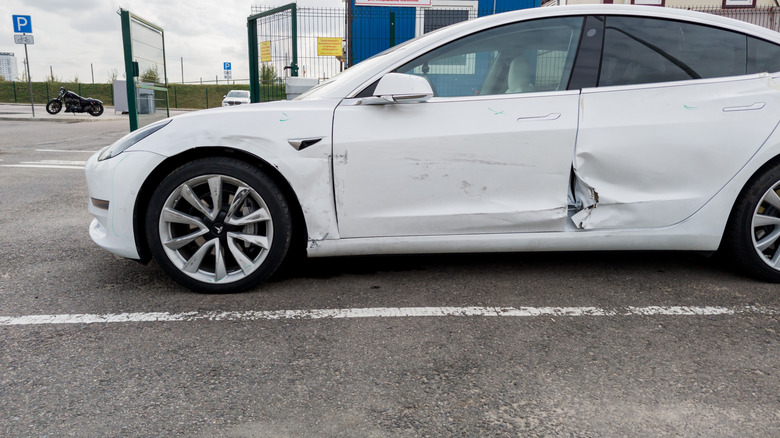
Eventually, the lack of additional supervision and proper rest resulted in a collision. In the lawsuit, Javier Medrano blames Tesla's "defective public-road safety protocols" and "extreme understaffing" for the incident. Medrano told The Independent that he continued to inform Tesla about the severity of the situation, all the while providing what he says was "unsafe guidance" due to his sleep deprivation. Eventually, there was another collision, this time with a driver. Medrano even told HR that he couldn't remember the call he'd had with the Tesla operator involved in the crash, claiming he took the call in his sleep.
In April 2025, a staffer working below Medrano was promoted to take his position, the lawsuit continues. Medrano was fired the next month, and a stock award that had been promised to him was rescinded. Two team leads were then moved from Dallas to Houston to help the new manager. Medrano is now asking a judge to order his reinstatement at Tesla, along with back pay, front pay, benefits he lost, the stock award he was due, and compensation for emotional and financial damage. The initial pre-trial conference will take place on November 19, 2026.
Tesla's Full Self-Driving may not be ready for public testing
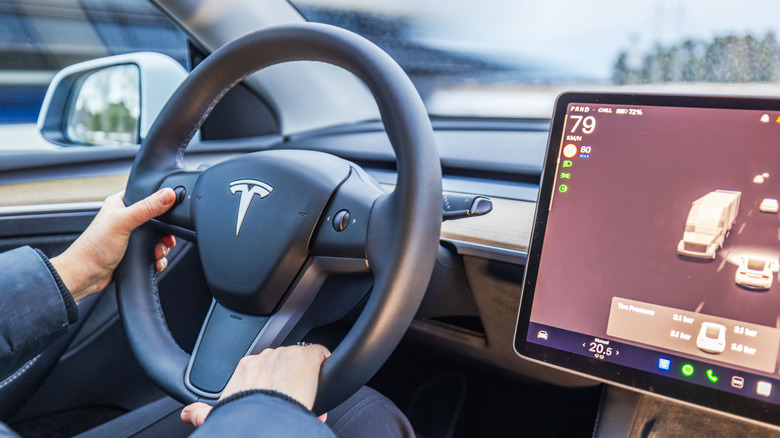
While much of the lawsuit focused on Tesla's decision to make Javier Medrano the sole overseer of the test-driving fleet, it also glossed over another concerning aspect of the testing: the Full Self-Driving software was not fully ready. The lawsuit states that the operators testing the autonomous vehicle's FSD are trained to hold back on intervening until the last possible moment so Tesla can gather data. However, this makes the vehicles dangerous on the road, especially due to a lack of supervision and unfinished software.
In March 2026, the National Highway Traffic Safety Administration (NHTSA) escalated its investigation into 3.2 million vehicles with FSD due to concerns about potential detection failures in certain situations and environments. The NHTSA linked these failures to multiple crashes, including one fatal incident. Tesla's FSD relies entirely on cameras instead of lidar, which other autonomous vehicles use. This has led to dangerous incidents, including FSD driving onto active train tracks.
This follows CEO Elon Musk's admission in an April 2026 earnings call that vehicles with the Hardware 3 (HW3) computer will never be autonomous despite over a decade of claims that it would be possible. California even demanded that Tesla stop using the term "self-driving" in 2025. All of this probably won't make the idea of a pedal-less Cybercab all that exciting to Tesla critics.