

400-Year-Old Shipwreck Leads Divers To A Historic $100k Find
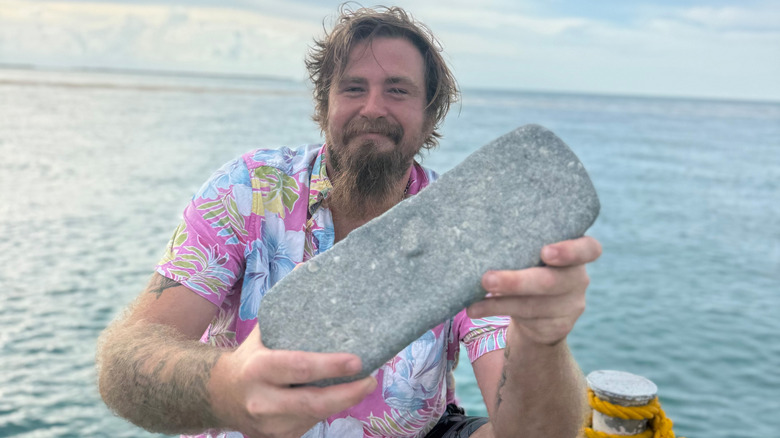
Imagine how exciting it would be to discover some piece of long-lost treasure. Now add in that you had been actively searching for a specific treasure for years coming up empty handed. That all changed for one group of treasure hunters working in the Florida Keys who recently recovered a 22-pound silver bar believed to have come from the wreck of the Spanish galleon Nuestra Señora de Atocha. The artifact was discovered by divers working with Mel Fisher's Shipwreck Expeditions and marks the first silver bar recovered from the site in nearly three decades.
The heavily encrusted bar of silver is estimated to be worth around $100,000. While some shipwrecks are believed to hold more treasure than the Atocha, they have yet to be discovered. This silver find comes from one of the most famous treasure shipwrecks ever discovered, a vessel only two years old when it sank during a hurricane on September 5, 1622. It was carrying enormous quantities of silver, gold and other riches from mines in Bolivia and Colombia for the Spanish Empire. More than 400 years on, treasure hunters such as Mel Fisher and his team are still uncovering artifacts from the wreck.
The shipwreck behind the discovery

The Spanish Empire utilized ships of between 100 and 800 tons in size to transport astonishing amounts of treasure from the Americas beginning in 1500. The Atocha was part of a 28-ship fleet when a hurricane sank it in only 55 feet of water in 1622. It was reported to have been carrying 35 tons of silver, 161 pieces of gold and an undisclosed amount of smuggled treasure from Spanish colonies in the Americas back to Spain. The disaster claimed the lives of 255 of the ship's crew out of 260 and scattered treasure across the sea floor.
Legendary treasure hunter Mel Fisher spent 16 years searching for the wreck before discovering it in 1985. He had begun discovering small pieces and amounts of the Atocha's treasure beginning in 1971, but the biggest discovery occurred on July 20, 1985, with an estimated value of over $400 million! Though ordered by the court to turn over 25 percent of the treasure to the State of Florida, Mel and his investors were allowed to keep the rest. Since then, discoveries continue to be made because debris from the shipwreck remains spread across a wide area of the ocean floor.
Why a 400-year-old treasure hunt isn't over yet
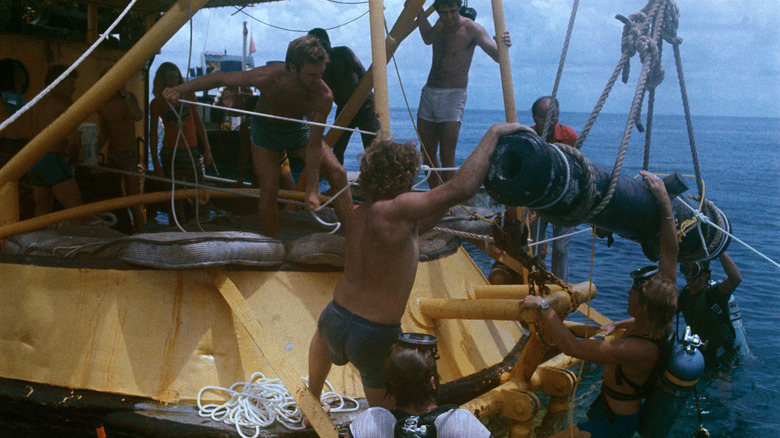
Treasure hunting is a difficult and often frustrating undertaking. Ocean currents, storms, shifting sands, and the vast size of the debris field mean artifacts can remain hidden for centuries. The recently discovered silver bar found during a routine dive by Captain Drake and the crew of the salvage vessel DARE demonstrates that even heavily explored wreck sites can still produce major discoveries. The recovery was notable because no silver bar had been found at the site for nearly 30 years. According to Mel Fisher's Treasures, there is still over $120 million worth of silver, bronze guns, and copper ingots yet to be found.
Modern treasure recovery combines history, archaeology, marine technology, and diving expertise. The silver bar's monetary value may grab headlines, but the greater significance lies in what it reveals about the Spanish Empire, transatlantic trade, and one of the most famous shipwreck disasters in history. More than four centuries after the Atocha sank, the ocean is still giving up pieces of its precious cargo.