

The Problem With Driving At High Elevation Through The Mountains
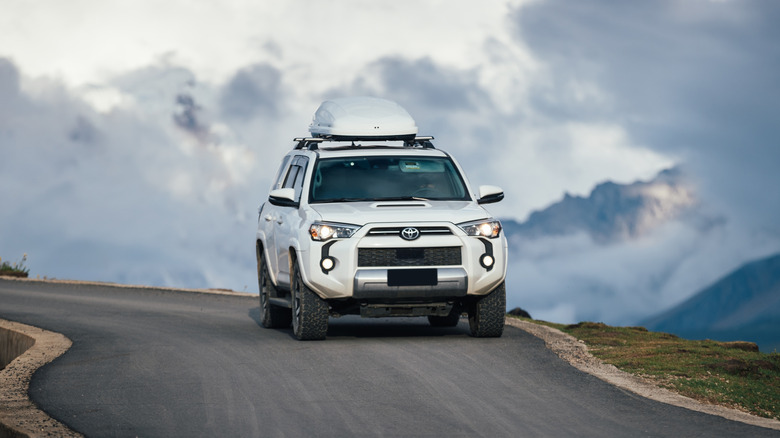
Driving in the mountains is about much more than just taking in the scenery and enjoying the wildlife. Regardless of whether or not you drive a gas-powered or electric vehicle (EV), you will likely experience issues that you wouldn't encounter on flat land. It begins with reduced fuel economy, which a gas vehicle experiences in higher elevations.
The reason for that is because mountainous regions require the vehicle to be working harder to overcome gravity when climbing. A vehicle's engine can lose power in higher elevations as well. In fact, power is estimated to be reduced by around 3% for every 1,000 feet of elevation gained. This loss of power is due to reduced oxygen levels, which directly affects the natural combustion process of a gasoline engine.
In contrast, EVs don't lose power, but they do experience a drop in range when climbing steep mountain roads. This is due to the amount of energy it takes to move the vehicle uphill, as it's working against gravity itself to make forward progress. When an EV goes back down the mountain and uses regenerative braking, a process that allows for more range, it can can help the vehicle regain some of its charge. Still, the energy spent going uphill can be much greater than what the vehicle can recover downhill.
How to prepare for mountain driving
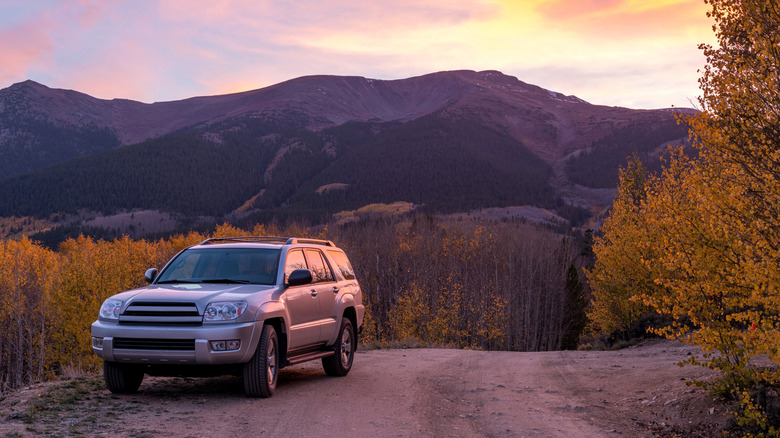
While you can't completely eliminate all of the consequences that come with driving in higher elevations, there are some things you can do to prepare for the trip. Gasoline-powered vehicles can benefit from having their tires, brakes, and fluid levels checked before heading into the mountains. You should also pay close attention to weather forecasts and road conditions beforehand, as both can increase vehicle strain on top of the already higher demands of mountain driving.
If you're driving an EV, preparing for mountain travel starts with planning your route and knowing where your EV charging stations are ahead of time. It's also a good idea to begin the trip with a higher state of charge than you would when driving on flat land. This will help ensure that you have enough stored energy for the trip ahead. Before you head back down, try to do so without a full battery. This will allow your EV to capitalize on regenerative braking and regain as much energy as possible on the way down.
If you plan to be in the mountains long-term, most gas-powered vehicles don't typically need physical modifications to operate in higher elevations full-time. That's because modern engine control systems are able to adjust fueling and combustion timing to accommodate for thinner air conditions. However, factory Engine Control Units (ECUs) can be recalibrated through tuning to better optimize engine response and efficiency. Forced-induction systems like turbochargers can be used as well, as they can also help prevent power loss.