

What Is Fly Ash And How Is It Used In Our Roads?
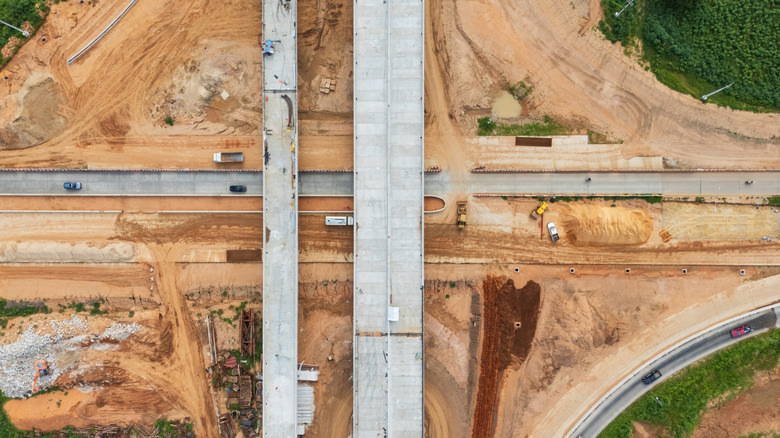
Fly ash is a material produced after pulverized coal has been burned in a power plant. It is a hazardous material, one that needs to be kept out of the air we breathe. As such, it can be very dangerous to living things. However, since 1937, it has also been used as a key ingredient in concrete production.
There are a number of benefits that flow from using fly ash in making concrete. All fly ash is pozzolanic, meaning that it reacts with calcium hydroxide and water to form calcium silicate hydrate, which is what makes concrete both durable and strong. Concrete made with fly ash may not be as strong as conventional concrete during the early stages of drying, but it will ultimately exhibit greater chemical resistance and strength over time. This is because fly ash consumes the weak, excess calcium hydroxide produced during standard cement hydration and converts it into an additional strong binder.
Another significant benefit of using fly ash in concrete is that, once incorporated into concrete, the fly ash component is no longer considered hazardous waste. It also requires less energy to produce fly ash concrete, reducing the product's carbon footprint. Researchers have even used fly ash to make bendable concrete that needs no cement.
While there are advantages to using fly ash in concrete production, including a reduced likelihood of shrinkage and cracking, its slower curing and overall drying time can become drawbacks in certain situations. These include times when the concrete is used at low temperatures.
What else should you know about fly ash?

To expand, fly ash is what's left after coal is burned to produce electricity or for other industrial purposes. Once it's collected using filters or electrostatic precipitators, it is stored dry in silos or wetted down for use as fill material, or, if delivered to a jobsite, like the one where Texas is moving these interstates. Due to its hazardous nature as a raw material, fly ash must be kept either wet or covered at all times to eliminate the possibility of fly ash dust being spread by the wind.
Fly ash can be classified into two categories. Class C ash comes from sub-bituminous coal and is called high calcium fly ash because it usually contains over 20 percent of free lime, also known as CaO or calcium oxide. Class F ash is produced by bituminous and anthracite coal and is known as low calcium fly ash, thanks to its lower CaO content of under 10 percent.
Based on its composition, fly ash can range in color from dark gray to tan. There are several standards that apply to measuring the quality of fly ash, depending on its intended use case. These include uniformity, chemical composition, fineness, and LOI (loss on ignition), which measures how much unburned carbon remains. Too much carbon content causes problems, which leads federal and state highway departments to require an LOI of between five and six percent max. There's plenty of roadwork to be done and plenty of fly ash to make concrete with, especially when it comes to repairing aging infrastructure like LA's deteriorating roadways.