

This Non-Hydraulic Brake System Will Make Modern Production Car History
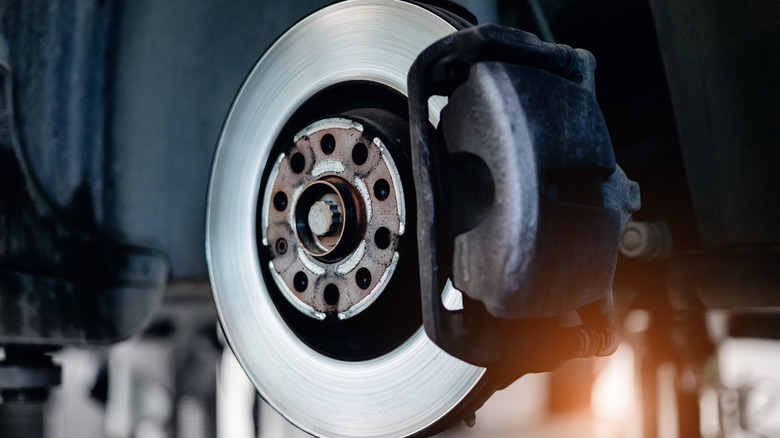
At the core of the modern car braking system is hydraulics. When you press down on your brake pedal, the force of your foot pushing down is multiplied via one of the many different types of brake fluid. The fluid is incompressible, meaning that when the pedal pushes a car's master cylinder piston, it pushes fluid through the brake lines, which then applies pressure to another cylinder piston on each wheel's caliper. This applies the brakes evenly and brings the vehicle to a stop. Overall, this system is effective, hence its widespread adoption, but brake technology is rapidly evolving. This new braking method still uses a pedal for input, albeit without the presence of hydraulics.
This historic fluid-free step in automotive braking technology comes from Brembo and is called Sensify. The company told The Drive that vehicles with Sensify are already on the way from an unspecified major manufacturer.
As the company explains, this braking system does away with hydraulics entirely, instead relying on actuators attached to each wheel's caliper and electrical signals sent throughout the system to ensure brake effectiveness and responsiveness once the pedal is pressed. The company explained the system's software monitors each wheel and its brakes independently, this way it can best adjust and respond to the needs of any given wheel and the terrain it's driving over at a given time.
All in all, Sensify sounds like a true automotive game-changer. Brembo has made some further eyebrow-raising claims about the technology, giving customers an idea of where to set their expectations once Sensify brakes hit the road.
Brembo promises numerous driver benefits from Sensify brakes
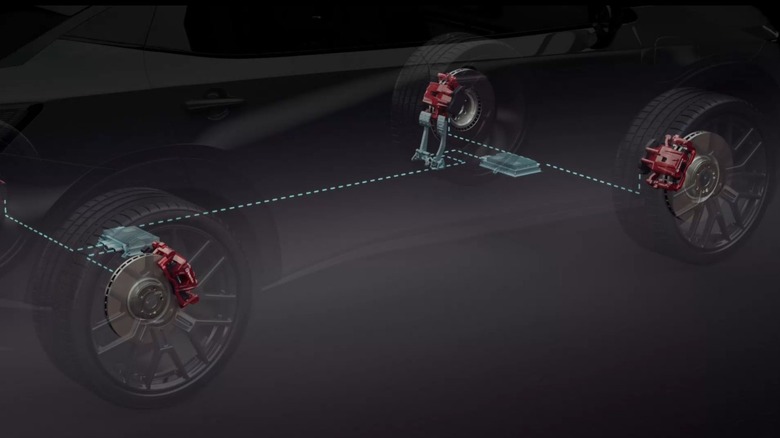
Revolutionizing how car brakes works seems like reason enough to be intrigued by the Sensify system. Ahead of its release, Brembo has claimed that there's more reason to try out Sensify than just more responsive, fluid-free braking. Sensify is also described as an intelligent system that gathers user data through their driving and braking habits.
This is done with the driver's perceived needs and behaviors on the road in mind, adapting the physical driving experience to their style. In terms of safety, it's said that Sensify responds to adverse weather, road conditions, and changes in vehicle weight and speed to optimize braking performance, in addition to aiding in navigation and stability during on-the-road emergencies.
On top of these statements, Brembo claims that Sensify provides a much quieter, calmer driving experience. The lack of hydraulics and reduced mechanical elements means less noisy braking, and it's advertised as providing a smooth pedal feel and reduced vibration that can come with traditional brakes. Brembo also takes a green angle with its Sensify brakes, noting that the increased adoption of this technology means less societal need for brake fluid and all that comes with its creation, transportation, and disposal.
Thus, the often overlooked environmental repercussions of making sure cars can stop would diminish, and we could seemingly add another entry to the list of ways car manufacturers are going green. Evidently, Brembo has made some major claims about its Sensify braking system, and hopefully the system will deliver on every promise once it begins rolling out in production cars.