

Here's Why European Cars Can't Use American Engine Oil
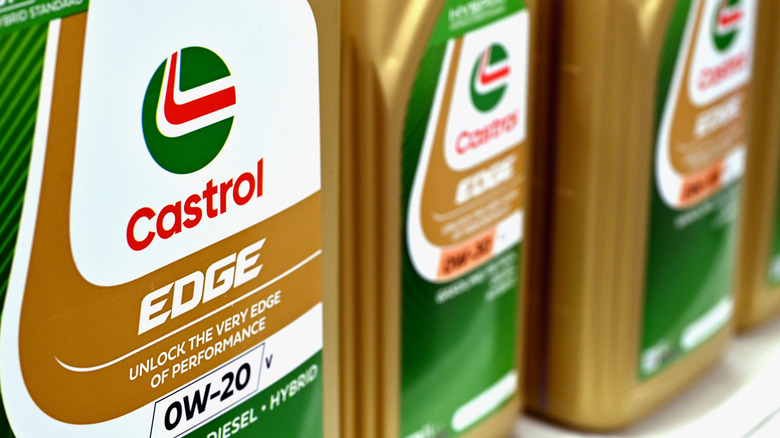
If you plan to import a car from Europe, you'll need to make some adjustments. In the case that you get it from one of the countries that manufactures right-side driving cars, you'll certainly need to adjust your orientation behind the wheel. You will also likely need to change the engine oil you are using, as you shouldn't use U.S. engine oil on European cars.
European cars and their engines differ in the type of oil they need, and different agencies specify which types of oil can be used. While specifications from the American Petroleum Institute (API) are largely shaped by engine health and performance, specifications from the European Automobile Manufacturers Association (ACEA) are more focused on environmental concerns and meeting emissions regulations.
This leads to several key differences between European and American engine oil. In general, European engine oil is designed to protect better under extreme temperatures. European engines are also generally designed to go longer without an oil change than American engines, meaning engine oil has to be formulated in a way that prevents sludge deposits from building up over a longer period.
What happens if you put American engine oil in a European car?
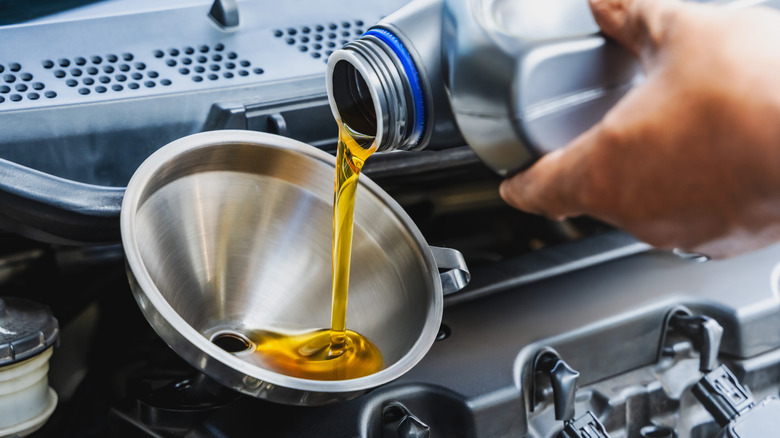
European countries also have a lot more diesel-powered vehicles, with diesel particulate filters (DPF) and catalysts installed to help prevent pollution. The ACEA specifies how much sulfated ash, phosphorus, and sulfur (SAPS) should be in engine oil, as too much of these substances can damage these sensitive components. To further complicate matters, certain European manufacturers like Porsche and Volkswagen have their own specifications for which type of engine oil you should use.
If you suspect you used the wrong engine oil, it's a good idea to get your vehicle checked by someone that can drain the oil and replace it with the correct one for your engine. You want to make sure you are not only meeting your European car's baseline specifications, but also one that meets the model's specific standards for optimal engine health and performance. If you act quickly, you can avoid doing permanent damage to the engine.