

3 DIY Projects You Should Never Try To Do Indoors
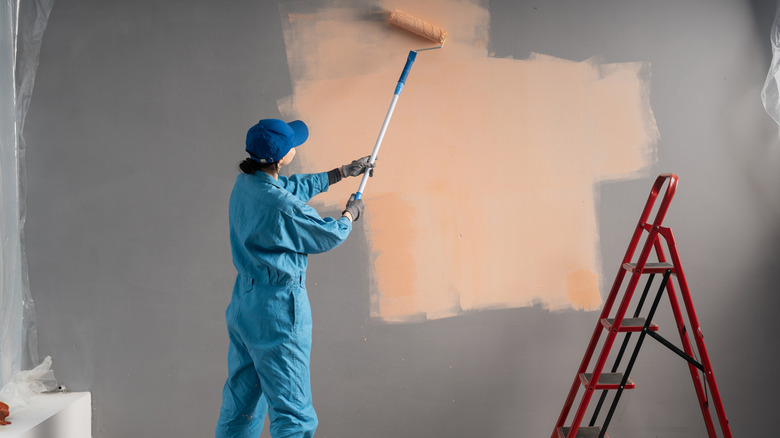
These days, we're all becoming more and more accustomed to remote work. Things that used to only happen within the confines of official businesses, now regularly happen in the privacy of homes everywhere. We get why someone might be envious of their friends who work from home, but not all work is suitable for the home environment.
We're all in favor of the do-it-yourself philosophy. Most people could benefit from a few hands-on skills and DIY home repairs or projects can be a good way to save money and a fun way to fill a weekend. That said, there are some projects you should leave to the pros and others you can do, but you shouldn't do at home.
Safety is paramount when working on any DIY project and that includes choosing the right environment. If you have any DIY projects coming down the pipe, take some time to plan before you get started and think twice about doing any of these DIY activities inside the confines of your home.
Staining wood
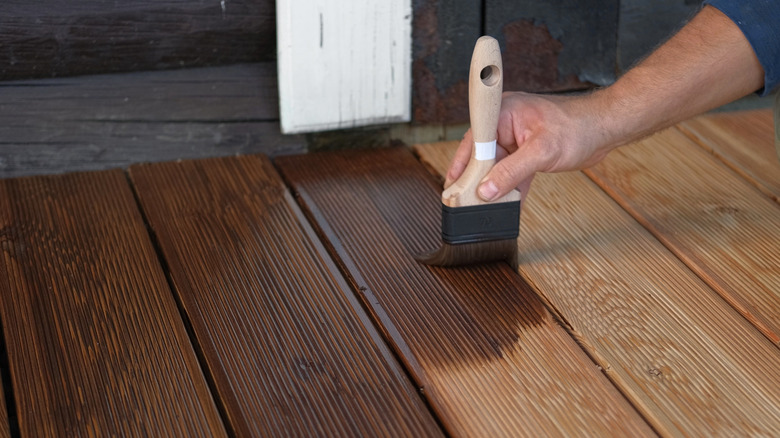
The world is filled with volatile organic compounds (VOCs). Many VOCs are produced naturally and usually aren't harmful. When you catch the pleasant smell of cedar or enjoy the taste of a fresh orange, that's thanks in large part to VOCs. However, exposure to the wrong kinds, in too high a concentration, can have a negative impact on health and safety.
Finishing wooden materials with wood stain is a way to bring out the material's aesthetic properties and offer some protection from the elements, but applying stain inside usually isn't recommended.
A 2015 study in the journal Atmospheric Environment measured the quantity and duration of VOC emission from a variety of wood stains. Researchers found that solvent-based stains produce higher total VOC emissions like benzene, toluene, ethylbenzene, xylenes, styrene, alpha-pinene, and camphene, and those VOCs linger longer. Only limonene is more present in water-based stains, but emissions peak earlier and fall off more rapidly. Even still, of all the stains tested, only a single water-based stain was classified as "low-emitting" and without any potential negative health effects.
While the amount and type of VOCs created and how long they stick around varies depending on the type of wood stain you're using, it's typically a good idea to stain wood outside in an area with plenty of ventilation.
Welding anything

While it's possible, and even common to weld things inside, an interior space needs to meet certain conditions to be safe for it. It's unlikely that your living room meets those requirements. Welding in any confined space comes with some inherent risks, not all of which are immediately obvious.
Unless you live in a concrete bunker, the interior of your home is probably filled with all kinds of flammable materials, from the wood in your walls to the fabric of you carpets and drapes. Welding produces a lot of heat and it can also produce sparks and drops of hot metal, all of which have the potential to start a fire. However, believe it or not, if something goes wrong while welding inside, a fire might be the least of your worries.
A fire can be seen and smelled. Welding involves the use and production of various gases which are invisible, scent-free, and capable of causing asphyxiation. Inert gases like argon are often used in the welding process and chemical reactions produced during the welding process can create other gases which displace oxygen. Because some of these gases are heavier than air, they can even pool around you. In some cases you might not even notice oxygen has dropped dangerously low until it's too late. Welding is best done in well-ventilated areas, like outdoors or in a purpose-built space.
Painting (too much or with the wrong paint)
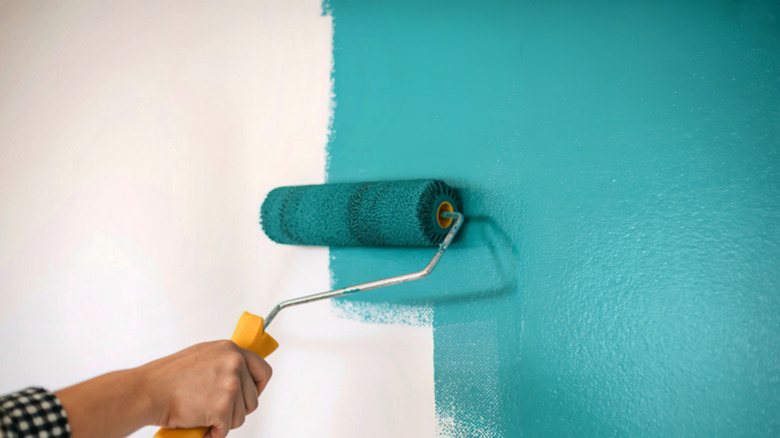
In the past, many paints were solvent-based and they released VOCs during application and for several days afterward. Those fumes had various potential negative health consequences, especially when exposure was significant or extended. In recent years, the paint industry has largely moved away from solvent-based paints in favor of water-based paints, but VOCs are still a concern.
A 2024 study in the journal Environmental Science & Technology Letters investigated the top 70 most sold paint brands and analyzed the compounds inside. Despite being labeled or advertised as low-VOC, 24 of those brands contained up to 11 different VOCs in concentrations as high as 20,000 parts per million. The others contained several semi-volatile organic compounds in various concentrations, highlighting the health risks still present in modern paints.
Choosing a low-VOC paint can help to reduce your risks but probably won't eliminate them. When painting indoors, you might want to limit the amount of interior space you paint at one time, make sure to wear a respirator, and keep the air circulating. If you're painting smaller objects like furniture, it's probably best to take it outside for painting and leave it there until it's dried and cured.