

The Pros And Cons Of Using Acrylic Concrete Sealer In Your Garage
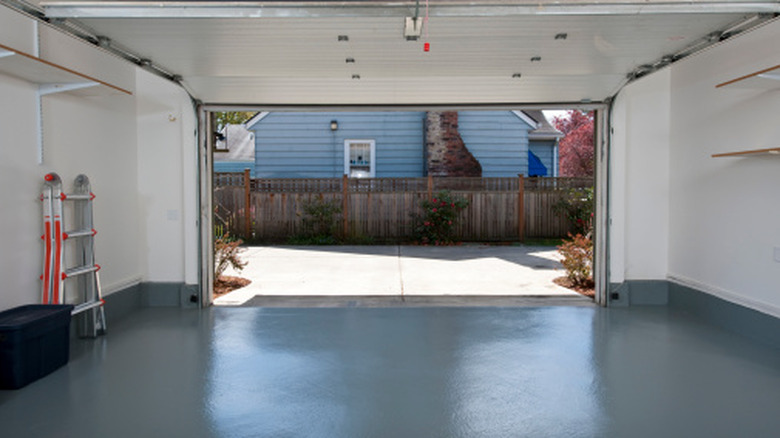
For many home owners, a clean, clutter-free garage is a legitimate point of pride. That space is, after all, as prone to collecting dust and dirt as it is to amassing unsecured lawn care gear, sports equipment, and auto care supplies, among many other items. While finding homes for all that stuff will go a long way in giving you a presentable garage, touching up the floor could help transform it into the sort of space you're not only proud to show to your friend and neighbors but one you enjoy yourself when no one else is around.
Most garage floors are, after all, made from a purely functional slab of concrete. Durable as it might be, that slab still needs regular cleaning. Yes, the concrete will almost certainly benefit from any protection you might apply to treat it from cracks and gaps too. There are several products available to consumers for just that purpose, and that list indeed includes acrylic concrete sealers.
If you're unfamiliar with this type of sealant, they are water or solvent-based coatings designed with acrylic resins that are intended to seal cracks, gaps, and joints in concrete and other foundational compounds. Apart from potentially preventing those imperfections from worsening, acrylic sealers can also give your garage floor a fresh, crisp sheen that elevates the entire space. That desirable factor aside, there are other aspects to consider when using an acrylic concrete sealer in your garage, and not all of them are good.
The good and the bad of acrylic concrete sealers
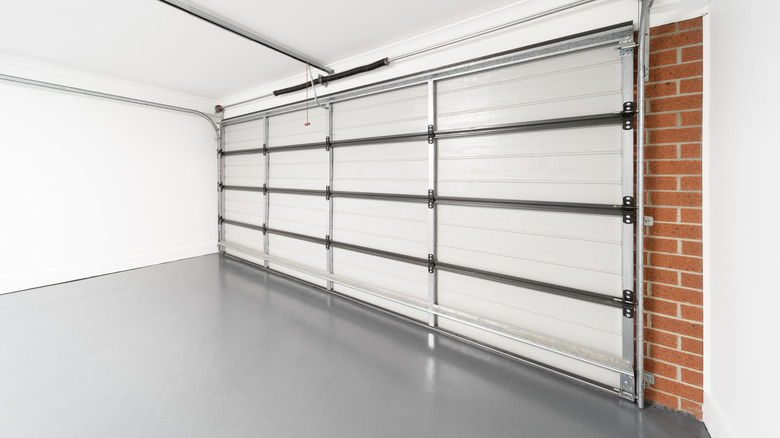
We'll go ahead and start with the good, as there are several pros that come with using an acrylic sealer on your concrete garage floor. We of course already noted one key pro, which is that such a sealer will almost certainly upgrade the look of your concrete floor. Yes, it should also help to prevent the widening of any existing cracks in the flooring. On top of that, these compounds can also help protect against damage caused by exposure to moisture, mold, and UV light.
Acrylic concrete sealers are also desirable as they are relatively easy to apply, with users typically able to do so using a roller, brush, or sprayer. On top of that, acrylic sealers tend to be a bit cheaper than other options, though that can depend on variables like the quality of product and how much of it you need for your garage.
For many, that list of pros may be enough to convince them that an acrylic concrete sealer is the way to go. There are, however, a few noteworthy cons to think about before you pull the trigger on that option. The first disadvantage we'll mention is perhaps the most important, as acrylic concrete sealers tend to have a shorter lifespan than some other options. Per some estimates, you may need to reapply acrylic sealers every 1 to 3 years to ensure they remain effective. Moreover, they are far less resistant to abrasion and chemical degradation, and given that garages are hubs for such issues, that may be a deal breaker.
Other ways to treat your garage floor
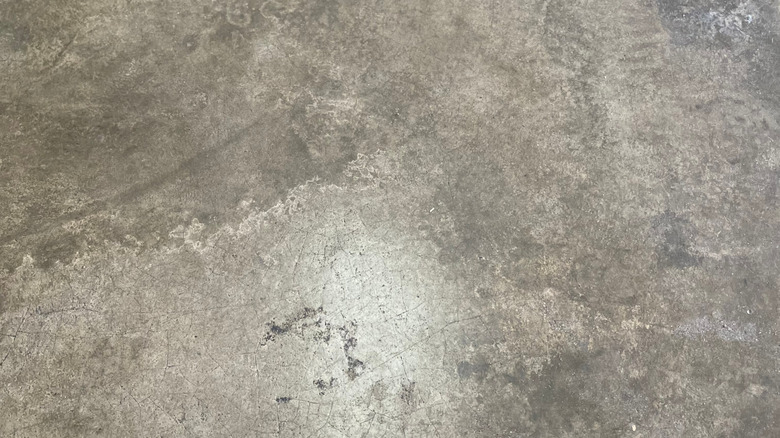
If you feel the cons are outweighing the pros with acrylic concrete sealers, there are a few other options available to you, though they all have their own lists of benefits and drawbacks to consider. For instance, a penetrating sealer is designed to do precisely what its name implies, which is to penetrate deep into concrete surfaces and provide 3 to 5 years of protection against moisture and extreme temperatures. It's also a great option if you're looking to preserve a natural look in your garage's flooring.
However, that last fact may also be deemed a con for anyone looking to give their garage a sealer styled glow-up. Penetrating sealers also require more pre-application prep work from users, which could put some off. As another option, epoxy sealers may boast as labor-intensive an application process as penetrating sealers and will likely cost more than other types of floor treatments. On top of that, they may be prone to yellowing when exposed to excessive sunlight. They do, however, offer excellent durability, lasting between 5 and 10 years when applied correctly. They also offer aesthetic appeal by way of various levels of finish.
Polyurethane sealers are another popular option for garages. That option offers a similar 5 to 10 years of protection as epoxy solutions and come in various styles of finish. Polyurethane also delivers increased protection from UV rays, chemical spills, and abrasion, though you will pay for that quality, as polyurethane is notably more expensive in comparison. Application is also complicated, meaning you may need assistance from a professional. Once it's been applied, polyurethane compounds can also be quite slippery, especially when wet.