

This Is A Very Important Step When Renovating Your Garage - Don't Skip It
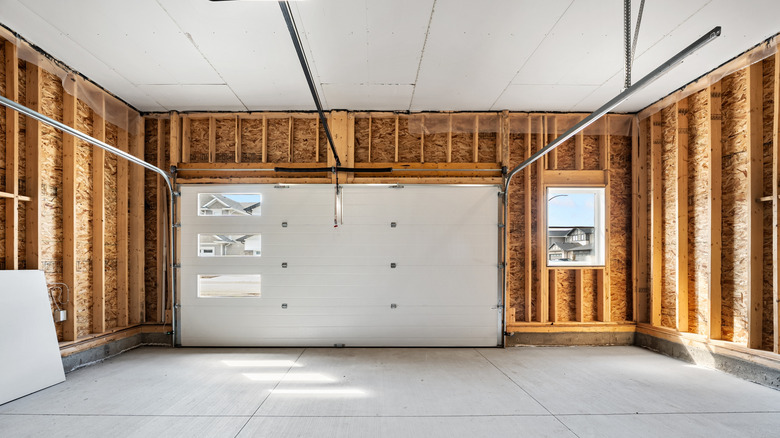
A garage renovation can be expensive and time-consuming, depending on how much work you're planning to do. Maybe you need to add some new lights, put up some heavy-duty shelves, change the walls, or even pour a new floor. Despite what's on your task-board, you should begin by addressing any air pathways that need sealing. It's an important first step that should be done at the beginning and not the end.
The reason this should be at the top of your list is because a garage can have numerous small gaps where outside air can get through. Pipes, doors, and even where the walls meet the ceiling can all be suspects. This free-flowing air can lead to moisture buildup which can cause rust. It can also cause your garage's temperature to fluctuate due to humidity, and that can result in mold and mildew growth. These conditions can impact your tools, equipment, and even your vehicle. Whatever you're storing is at risk, and it's best to take care of it as soon as possible.
Sealing those gaps helps upgrade your garage for year-round comfort and should be done before renovating. That way, steps you took to seal the gaps can be mitigated and covered up during the remodel and save you even more work later on.
Small garage gaps can cause big problems
Attached garages can benefit from air pathway sealing not just because of what's coming in, but what might be going out. If you're storing paint, pesticides, or other chemicals in your garage, you will want to keep those fumes out of your living space. The same is true for car exhaust, which could seep through as well. Though sealing the gaps won't eliminate fumes from the garage, at least you'll be improving the air barrier to your home.
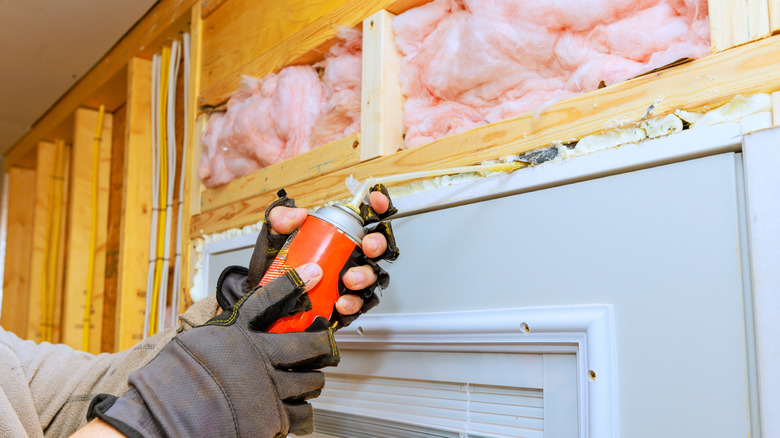
After you identify all the open-air pathways, you can use a spray foam, which can insulate your garage door the right way, to seal them up. It can fill small and large gaps, thus blocking air from entering, or moving between your garage and your home. Drywall serves as an air barrier, but you'll want to remove baseboards, trim, and electrical faceplates and seal those with foam.
When you are sealing those gaps, be sure you wear the proper safety equipment and turn off the power to your garage when working around any exposed wiring. If you're not a DIYer and prefer to leave the work to someone else, you can always call in a professional. After all, a simple renovation might be easy, but this type of work can beyond basic DIY.