

3 Reasons Why You Should Start Using A Burner Email To Protect Your Privacy
Email addresses are highly vulnerable to data breaches, which is arguably the number one reason why your personal data may be all over the internet. Tech tips like using strong passwords and multifactor authentication will instantly make you safer online. There are times, however, when we make it easy for criminals to access our personal information through our email address, even without our knowledge.
Each time you sign up for marketing emails, purchase goods online, or get free trials, you'll probably be asked for an email address. If you use your permanent address to access these services, you'll open the door for data brokers to collect your data and sell it to anyone willing to pay. With identity thieves and hackers on the loose, information that would normally be harmless could be used to carry out account takeovers, phishing attacks, fraud, and website vandalism. Criminals could even use your leaked email and password to access your social media accounts and digital banking services, especially if you're using the same password on multiple accounts.
Luckily, if you want to keep your personal data safe without changing how you manage your email, there's an answer: a burner email (also known as a throwaway email, disposable email, or an email alias). It is a decoy email address created for one-time interactions. Think about when you want a secondary email designated only for signups, to stay anonymous, or to keep your primary email clean.
To put an end to spam messages
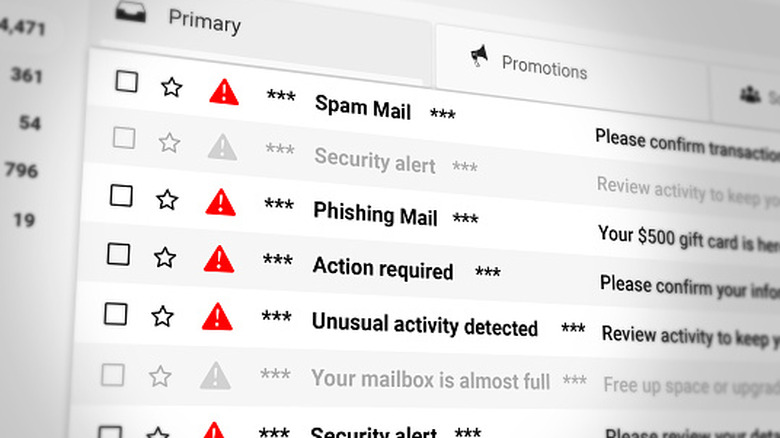
Unwanted emails are quite an annoyance, and that's probably why most of us have hundreds of unopened emails. Emails from social media accounts, websites you've shopped at, and newsletters you've subscribed to can clutter your inbox, take up all your valuable space, and even mislead you into snubbing a couple of important messages. To clean up your Gmail inbox, you'll probably mark items as spam or go through the trouble of zeroing out your email inbox. The only problem is that, even after you unsubscribe from unwanted emails, more often than not, messages will just keep coming, and you'll have to repeat the tedious task almost daily.
Considering that maintaining an email account used for personal or business reasons can be quite challenging, the most effective way to stop spam emails is to use a burner email. Having a temporary email solely for signing up to websites, subscribing to online shopping accounts, and newsletters will keep your permanent email clutter-free and organized. The best part is that creating an email alias that links to your primary inbox is often very easy. If you're using Gmail, for instance, you can just create an email alias by appending your Gmail username with a "+" symbol followed by a phrase or keyword. So, for example, you+junkmail@gmail.com.
Since there is no way to delete a Gmail alias, once you're done using it, you can just create a filter to automatically archive or delete incoming messages sent to that address, or put a label on them to review later. Other mail providers will have other ways to create and manage aliases (be warned that some don't offer them at all, though), so check with your provider to find out more details.
Reduce phishing risks and your digital footprint
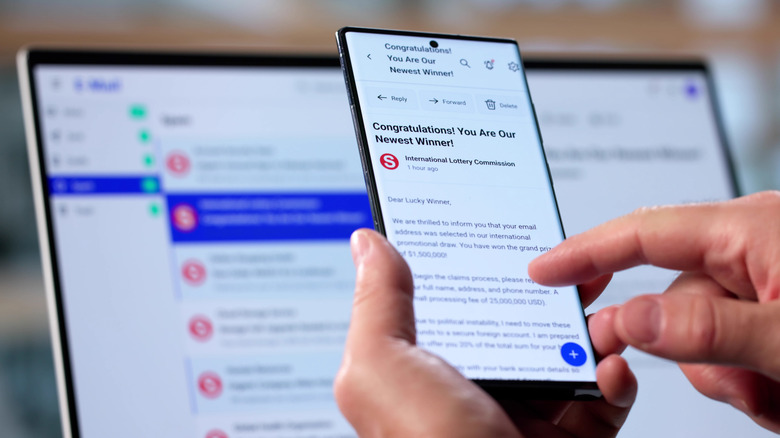
Your permanent email box is more than just a communication platform. It can also double as a file storage repository, a digital identifier, and a task management tool. Knowing this, you'll want to protect your personal email from data brokers, as it can be quite distressing if you receive an alert saying that your personal email address is floating around the dark web. While it doesn't really mean your accounts have been hacked, as we mentioned earlier, having your email compromised can make you a target for credential stuffing, identity theft, and phishing.
Given that your primary email is your first gateway to your personal information, it's wise that you avoid sharing your real email. If you're asked for your email when you're ordering something online, signing up for free resources, or participating in anonymous polls, don't provide your personal or work email address. While an email alias like we described can make managing incoming email easier, it doesn't actually obfuscate your email address.
For that, you should instead use a burner email: an email address, usually anonymous, that is completely disconnected from your personal identity. It will allow you to send and receive emails without exposing your identity. The best part is that it'll protect you from phishing attacks, a type of cyberattack that can trick you into offering sensitive information, such as Social Security Numbers and credit card numbers. Because the scammers have no information associated with your burner email address, their attack vectors become more limited.
To protect your personal information
A personal or work email address often has your first name, last name, or initials in it so it's easier for people you want to hear from to find you. This means that if you want to communicate anonymously, your actual email will not provide the privacy you want. That's why, if you need to truly hide your email address from someone, or just want to access a coupon or sign up for a free trial with a one-time verification code, you'll want to use a full-on burner account.
Unlike forwarding email accounts (email aliases), these burner account email services often use algorithms to craft unique email inboxes that contain a combination of numbers, symbols, and letters. This allows you to communicate with unknown people comfortably without worrying about your privacy. On top of that, some burner email addresses are designed to self-destruct after a few minutes or uses, and once the account is deleted, there will be no copies of your personal data in cached archives or broker sites.
As amazing and convenient as burner emails may sound, they are not ideal for every situation. Knowing when to use a temp email is just as important as knowing when to use your actual email. Many burner email services are meant to be simple and quick, so the accounts they create have no password protection, authentication, or encryption. Their primary defense is simply being deleted when they're no longer needed. Before using a burner email service, experts recommend that you pay attention to the terms of service and privacy policies. You might think that there is nothing personal to share, but they can still access your IP address and use it to know more about you.