

Why In-Car Tech Can Sometimes Stop Working In Cold Weather
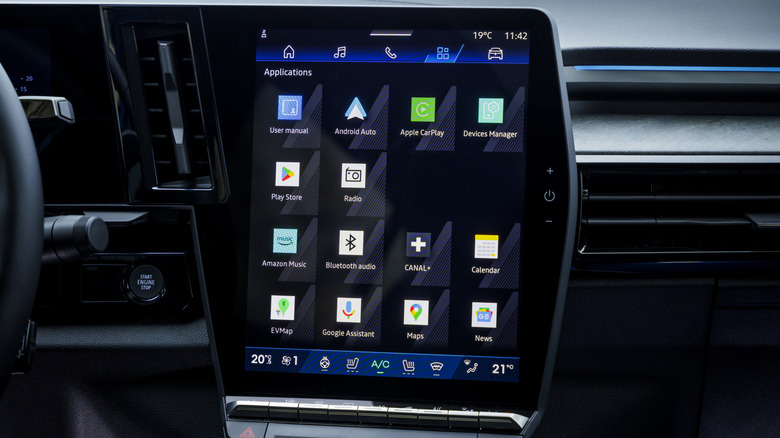
Modern cars are inescapably packed with technology. Even the cheapest possible cars, many of them forbidden fruit in North America, still have at least a little infotainment, possibly a color screen in the dash replacing the gauges, and so on.
Although many people have reservations about in-car tech, there are some strong, objective benefits: cars are now more connected than ever; infotainment screens can mirror your phone screen, your own music, and your navigation preferences; and gauge clusters can now show far more information than was previously possible. There are a few infotainment systems thatare even better than Apple CarPlay.
In-car technology has, predictably and unfortunately, also brought its own downsides, not the least of which is the constant blue light shining on passengers' faces and distractions from adjusting controls while on the move. Another unfortunate downside of in-car tech is how it behaves in poor weather. The screens might be slightly slower in animation and responsiveness, chiefly because the crystals in the liquid crystal display (LCD) can slow down when temperatures are very low.
What can you do if your infotainment is slow?
You can be almost certain that somewhere, some automaker is working on a technology to keep the crystals from cooling down, but at the time of writing, that doesn't exist. The only way to remedy this problem is to let the car run for a few minutes; eventually, the crystals inside the display will loosen up, and it'll behave normally and be much easier to use.
For an electric car, this is an even easier fix, as many EVs offer the option to turn on the heat or air conditioning before getting in. Although this is extremely rare, turning on the heater in icy cold weather may cause condensation to leak into and/or behind the display panel and circuitry, potentially causing damage. Your engine, if your car has one, can also be affected by severe weather in multiple ways.
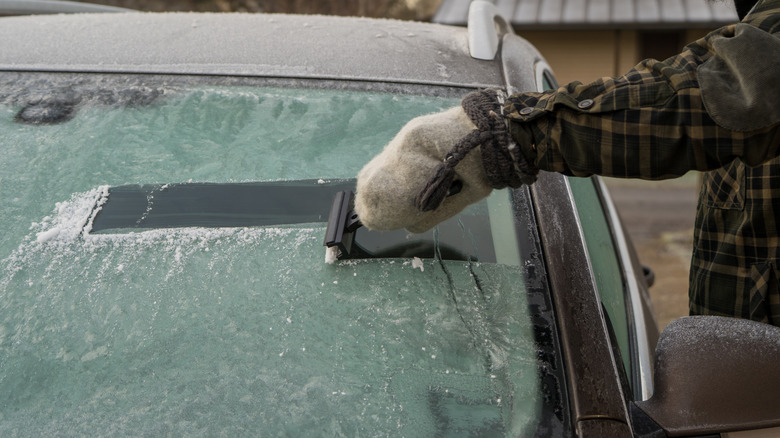
Keeping with in-car tech, if there's ice formation on the bumpers or anywhere where there's a sensor for one of the ADAS systems, those also might act up when you try to use them. The adaptive cruise control radar, for example, won't be able to get a clear view of the car ahead when it's covered in ice. Either way, if any of the tech in your car is acting up in sub-zero temperatures, simply letting the car run for a bit to warm up, or powering it on via an app in the case of many EVs, will get the job done.