

Home Depot Has Some Big Changes Coming In 2026
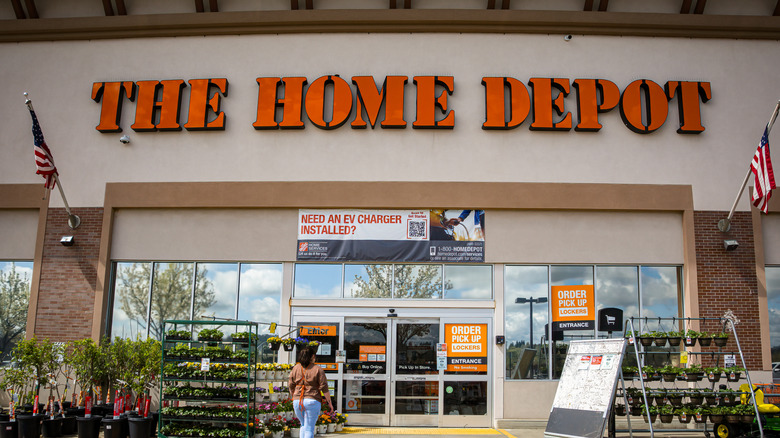
Home Depot had a rough 2025. A report from research firm Placer.ai suggested that foot traffic dipped noticeably across its stores. In fact, year-over-year visits fell nearly 4% in the first quarter alone. There are a number of reasons behind all of this, including a sluggish housing market and rising costs of living. People simply have less liquid cash to spend on those kitchen remodels or backyard deck builds Home Depot is known for.
However, the retail giant isn't just sitting around waiting for the economy to sort itself out. It's sprucing up its business to woo in more customers. A bunch of new changes are heading into 2026, and some of those are already rolling out.
The biggest push the company is making right now, unsurprisingly, involves AI. A partnership with Google will help make Home Depot's Magic Apron assistant a lot more useful than it currently is. You can now describe a project in plain language – like "I need to redo the tile in my bathroom" — and it will give you conversational advice accordingly. It will recommend you products, and even tell you exactly which aisle and bay to find those in your local store. That last bit is currently being tested at select locations, but a nationwide rollout is expected soon.
There's a new AI tool for professional contractors, too — particularly those already using Home Depot's Pro Xtra loyalty program – called the Material List Builder. It's now scaling nationally after spending some time in beta. It basically decodes your project intent and generates a list of materials needed for the entire job from Home Depot's inventory. You simply describe your project through text, voice, or by uploading a spreadsheet, and it handles the rest from there. It even suggests items you might've forgotten.
Hubspace gets a major smart home upgrade

There's more on the software side. Hubspace, Home Depot's exclusive smart home platform, is getting a significant upgrade, too. With the new update, you're getting something called Hubspace Connect. This is a new feature that lets Hubspace-compatible switches and dimmers talk directly to Hubspace-enabled lights, even when those lights are on completely different electrical circuits.
What that means in practice is that you can skip the expensive rewiring that typically comes with a full smart lighting setup. Hubspace Connect also fixes one of the most annoying problems with smart bulbs — normally, if someone turns off a wall switch, that physically cuts power to the bulb, which means it goes completely offline. Now, the switch sends a digital command to the light without actually killing the circuit.
Moreover, as announced at CES 2026, Hubspace is also teaming up with Kwikset, a well-known name in door locks. Together, the companies are launching a new smart lock powered by the platform sometime this year. Then there's another team-up, this time with Texas Instruments, that would source American-made chips for future Hubspace products. Hubspace is actually one of several new Home Depot products arriving in 2026 that go beyond the usual power tools.
Burgers at the entrance and smarter deliveries
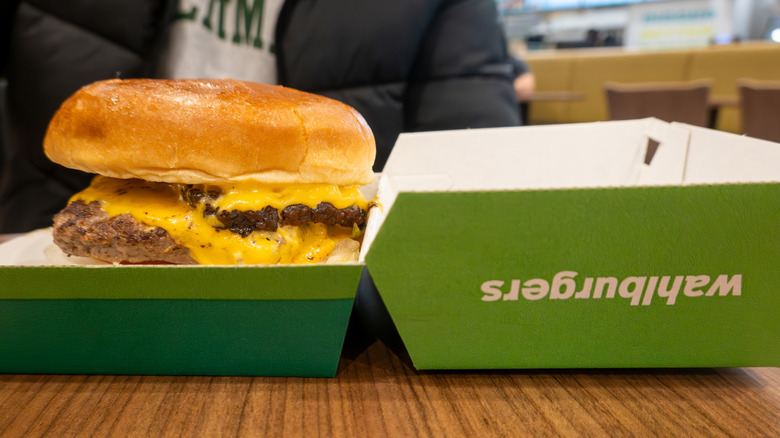
New products are great, but what about offering an experience that literally tempts customers to step inside (and boosts foot traffic as a result)? For that, Home Depot is partnering with Wahlburgers to park food trailers right outside select stores. Long-time Home Depot customers may remember those local hot dog vendors that used to hang around the entrance. This is essentially a fancier version of that whole setup, and the pilot is already running at three locations in Florida, and a much wider national expansion is planned throughout 2026.
Behind the scenes, Home Depot is also upgrading its delivery game with a new route intelligence system built on Google's Gemini AI and Maps. It layers in customer-specific info like operating hours and drop-off preferences, along with external factors like weather and road conditions. The system can even use visual data from Maps to flag potential problems at the delivery destination – like a narrow street or a gated entry that a large delivery truck wouldn't be able to navigate. Eventually, it'll also recommend the right equipment and crew size for those trickier drop-offs.