

Not Just Freezing: Thawing Out Can Also Threaten Your Pipes
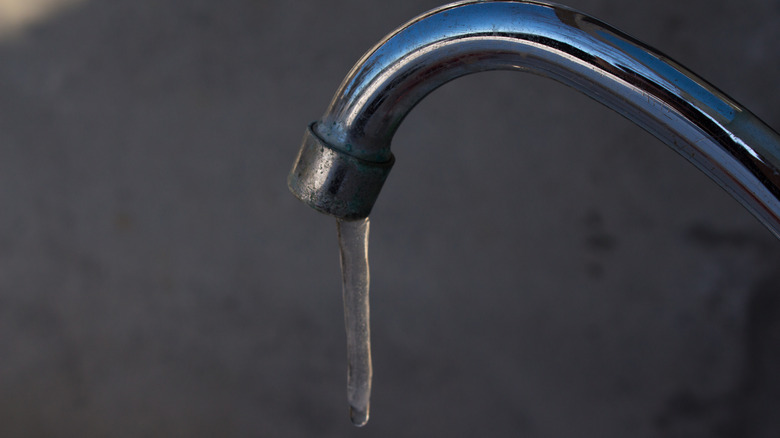
When temperatures plummet, you may face more pressing problems than misplaced winter gear, drafty windows, and closed businesses and schools. Frigid weather can lead to serious threats including hypothermia, power outages, and frozen pipes. We all know the dangers that hurricanes and wildfires pose to our homes, but according to the Insurance Institute for Business and Home Safety (IBHS), harsh winter weather is among the costliest insured catastrophes, and burst pipes are the top risk factor for property damage in cold weather.
Frozen pipes can happen anywhere, but your most at-risk spaces include any exterior pipes, like spigots or sprinkler pipes, pipes in unheated spaces such as your basement, attic, and garage, and pipes that run along exterior walls. There are steps you can take to prevent your pipes from freezing, but sometimes that's not enough. Frozen pipes don't always burst, but when they do, it's often not simply due to freezing. Water does, of course, expand when it's frozen, but that ice tends to expand to the side, not outward. As the water in the pipe begins to thaw, however, the newly melted ice, or water, can push against areas that are still frozen. Sometimes that water is also pushed by ice towards the faucet. In either case, the pressure this causes can lead to a burst pipe.
How to avoid frozen pipes, and what to do if your pipes freeze anyway
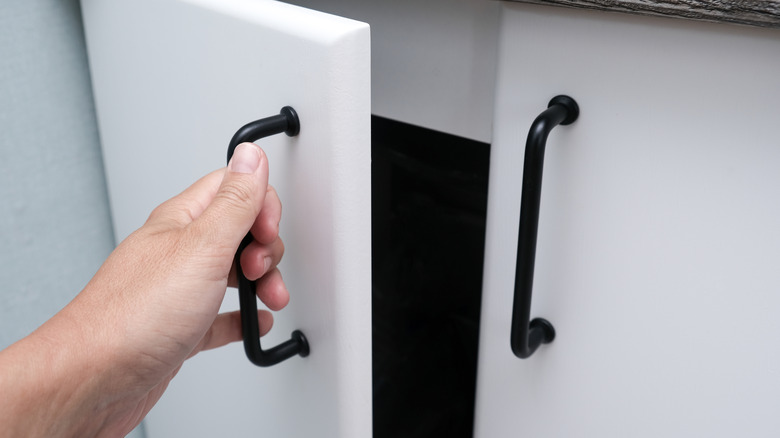
The average cost of repairing a burst pipe and the damage it can cause ranges from a few hundred dollars to repairs in the thousands, depending on the location of the pipe. If the outside temperature is going to fall below freezing, you should consider taking steps to keep your pipes thawed. When temperatures drop, you can open the cabinet doors around kitchen and bathroom plumbing to expose those pipes to warmer air and turn your faucets on to a trickle — running water through the pipes will help keep them from freezing. If you have pipes in your garage, be sure to keep the garage door closed. You can easily add insulation to at-risk pipes, and you can also add insulation to the colder spots of your home, including the attic, crawl spaces, and even your basement. Finally, keep your thermostat no lower than 55 degrees Fahrenheit, even when you're not home.
If you suspect a pipe is frozen but hasn't burst, you can try simply turning on the faucet. Running water through the pipe may be enough to melt the ice. You can also try gently warming the pipe with a hair dryer, an electric heating pad, or a space heater, but never use an open flame. You risk starting a fire, and the high heat could damage your pipes. If home remedies don't work or you're worried your pipe is close to bursting or has burst, call a plumber and have the professionals handle it.