

This Could Save Laptop Makers From The Global RAM Shortage

We may receive a commission on purchases made from links.
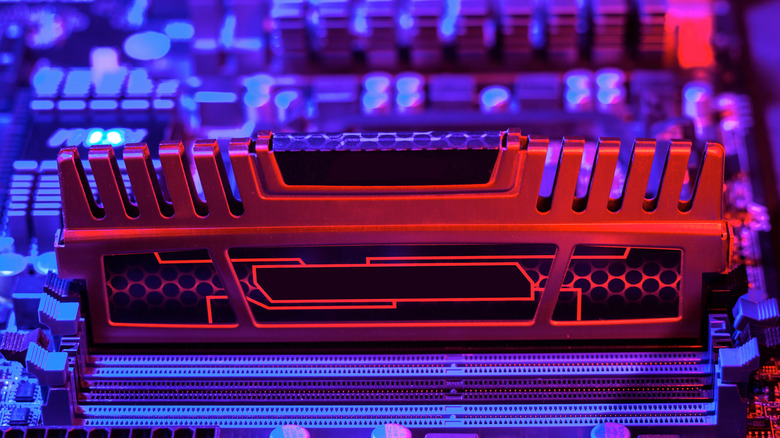
If you are an avid PC builder, a tech enthusiast, or someone just tracking laptop and computer prices, you may have noticed the steep increase in the prices of RAM modules over the past several months. These spikes are eerily similar to those experienced by GPUs during the crypto mining boom. It's just that in this instance, they are driven by a massive surge in demand for memory chips used in AI data centers. The biggest gainers from these price hikes are memory makers, who are reaping handsome profits. The average consumer, on the other hand, is the worst affected of the lot. The increased demand for RAM has led to supply shortages, forcing PC brands to buy memory at inflated prices. These price hikes are then passed on to retail consumers, who are left with no option but to buy laptops and computers at inflated prices.
Given that the AI boom is far from over, the expectation was that this trend of inflated RAM prices would likely continue for a while. However, if we are to believe an industry insider, the worst phase of the RAM price hike may be already behind us.
In a recent discussion with Tom's Guide, Intel's Senior Director of Product Management, Nish Neelalojanan, revealed that most laptop makers (at least those that work with Intel) have a fairly long inventory of RAM modules, often lasting anywhere between 9 and 12 months. Given that several of these companies have already paid for the RAM modules intended for devices set for release in 2026, Nish believes that sharp price hikes similar to those experienced in 2025 may not occur in the near future.
How bad has the RAM price hike been?
A few examples will really make you understand how severe the increase in RAM prices has been. In the span of a few weeks starting the 3rd quarter of 2025, RAM pricing has moved from relatively sane to expensive and eventually to what can only be described as borderline absurd. What's even more fascinating is that this change can be visualized by taking a glance at this Memory Price Trends graph by PcPartPicker.
The price of G.Skill's Trident Z5 Neo (2 x 32GB) RGB DDR5-6000 RAM, which was selling for around $220 as recently as September 2025, rose to $709.99 in December and is currently listed on Newegg at an eye-watering $919.99. For someone taking solace in the fact that this is enthusiast-level hardware, the price of standard consumer-grade hardware has also shown the same trend. Discussion threads on Reddit show a massive increase in the prices of entry-level RAM modules as well. Examples include how a 2x16GB DDR5 RAM module purchased for $108 was later listed for $379. On Amazon, using the popular price-tracking extension Keepa, we noticed that a premium DDR5 RAM module (2 x 16GB) priced around $200 is now listed at $439.99.
In December, several mainstream laptop manufacturers confirmed price hikes on their products. Dell, for example, saw the prices of its commercial laptops and desktops with 32 GB of RAM increase by about $130–$230. Starting early 2026, Asus also announced price hikes, while modular laptop maker Framework went through two price hikes in short succession in 2025 alone.
RAM prices may have already stabilized
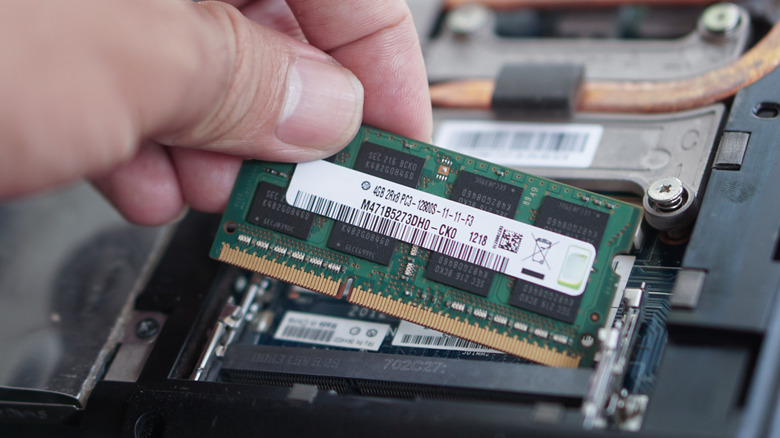
After showing a steady increase from the 3rd quarter of 2026, all through mid-January, RAM prices appear to have stabilized. Latest data from PCPartpicker indicates that prices have leveled off across RAM module types and price bands. As of the drafting of this article, the stabilized prices are valid from entry-level DDR4-3200 (2x8GB) RAM modules to much more expensive DDR5-5200 (2x16GB) modules. Only niche, super high-performance RAM modules (DDR5-5600 and DDR5-6000) continue to show price increases. Even for these modules, the hikes are happening at a much slower pace than before. These reports, for the most part, vindicate Neelalojanan's stance on RAM pricing.
What remains to be seen now is how long this relative period of stability lasts. Given that the price hikes in 2025 became more pronounced in the 3rd quarter of that year, the trend could repeat itself in 2026 as well. That said, with several memory makers ramping up production capacity and companies becoming more careful about how they place RAM module orders, we may have passed the worst phase of the RAM price increase.
All things considered, for PC makers and those looking to purchase new laptops in 2026, things would only get better once RAM prices return to mid-2025 levels. Even with the current leveled-off prices, RAM continues to be an expensive proposition.