

This US State Wants To Put A Leash On License Plate Camera Tech
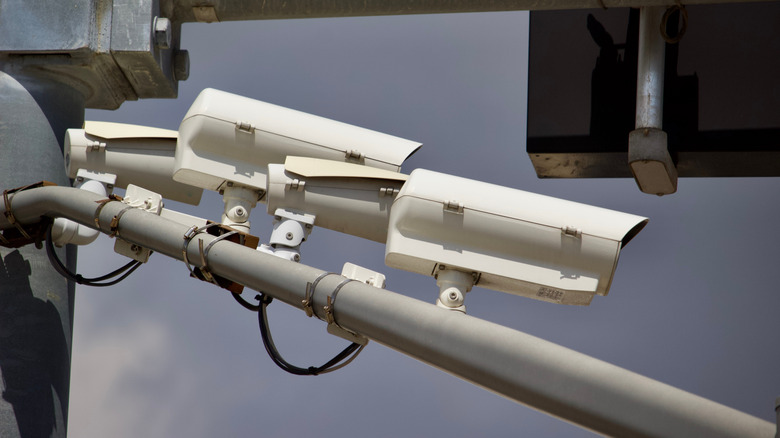
A Bill is working its way through the Washington State Senate that could place limits on how Automated license plate readers (ALPRs) are used within the state. SB 6002, introduced by Senator Yasmin Trudeau, seeks to establish some rules around how these surveillance systems are used to collect data. Washington is not alone in doing this — 23 other states have enacted their own laws relating to ALPRs as of September 2025. California is one such state, and its cities are going all in on these controversial license plate readers.
ALPRs from vendors such as Flock Systems are typically used to read the license plates of passing traffic. Both the data and images are used by a wide variety of law enforcement agencies within the state for purposes including toll collection, direct law enforcement, and traffic monitoring. The problem that legislators in Washington state and so many others have with ALPRs is their use as a potential back door for federal immigration law enforcement.
Research by the University of Washington indicates that at least eight Washington law enforcement entities had officially shared their ALPR data with the U.S. Border Patrol as of October 2025. It was also discovered that the U.S. Border Patrol has unofficial access to additional ALPR data from 10 or more agencies. This is in addition to access granted on a more limited basis to Border Patrol, ICE, and out-of-state law enforcement agencies.
How will Washington SB 6002 put guardrails around the use of ALPRs?
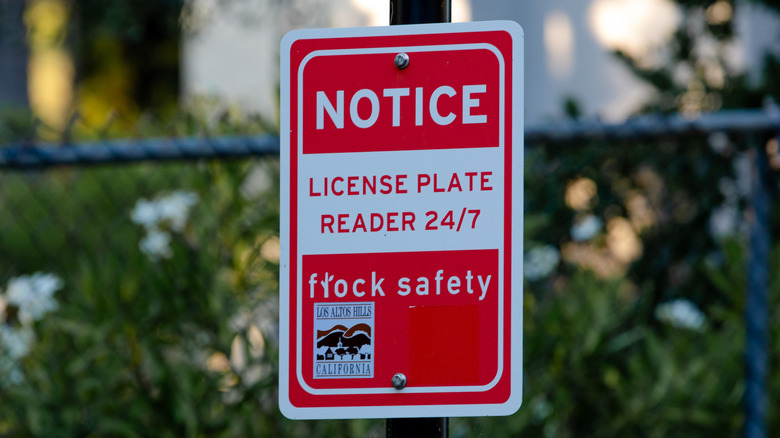
ALPRs are currently in use by six Washington counties, 80 Washington cities, and three different Tribal governments within the state. Washington Bill SB 6002 would limit the use of ALPR data, which is currently helping police track millions of license plates. More specifically, it would not allow use of ALPR data for purposes of enforcing or investigating immigration laws, as well as for scooping up data on or near courthouses, schools, churches, synagogues, mosques, or food banks. Also prohibited would be ALPR data sourced near immigration facilities, health care providers, and protected activities, including protests.
ALPR information will continue to be available to law enforcement agencies investigating felonies, missing persons, or stolen vehicles. Traffic monitoring and toll enforcement will also not be impeded by the new Bill. Parking enforcement will also still have access to the data to monitor impounded vehicles or enforce parking regulations.
Under this new legislation, new certification procedures must also be put into place. The recently revised version of SB 6002 states that ALPR systems must be registered with the attorney general. Agencies must also ensure that they have a training process for officers using ALPRs, have policies to oversee ALPR use, and that the cameras themselves comply with state law. The Bill also emphasizes that officers should not stop a vehicle solely based on an ALPR match.
What else will SB 6002 require?
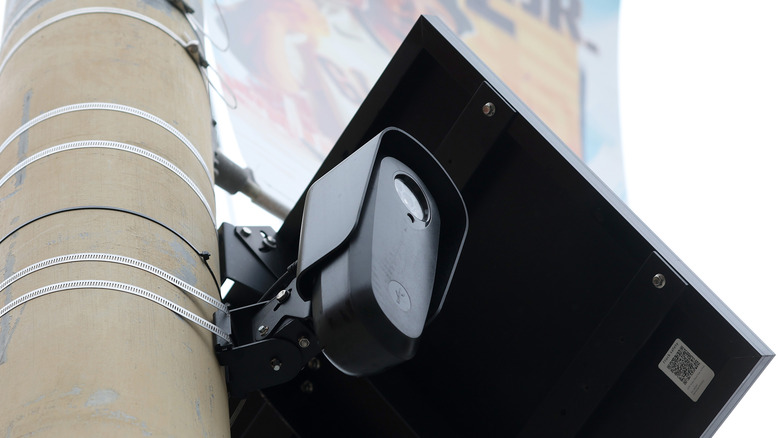
SB 6002 also has strict requirements on ALPR data retention, with most data required to be deleted within 21 days, unless permitted by a court order or needed for toll enforcement. Exceptions include commercial vehicle enforcement data, which has to be deleted four hours after collection; parking data, which must be removed after 12 hours; and traffic study data, which has a 30-day limit.
There are numerous other prohibitions written into the Bill. As SB 6002 states, agencies may not reveal ALPR data or allow access to it outside of court cases. They are only allowed to share access to the data with other agencies or third-party ALPR vendors, and cannot engage in financial transactions for ALPR data. SB 6002 also states that ALPR data access records must be kept for five years and that they may not be revealed to the public, unless it is in the form of anonymized research data that does not disclose any personal information. Agencies can access private ALPR data, but will require a warrant.
If SB 6002 passes the Washington State Senate, Washington will join the list of states that are fighting back against the law-breaking Flock license plate cameras. It should provide some strong protections against the misuse of all the data that ALPRs hoover up daily as they monitor Washington's streets.