

World's Largest Nuclear Plant Shuts Down Reactor Just One Day After Reopening
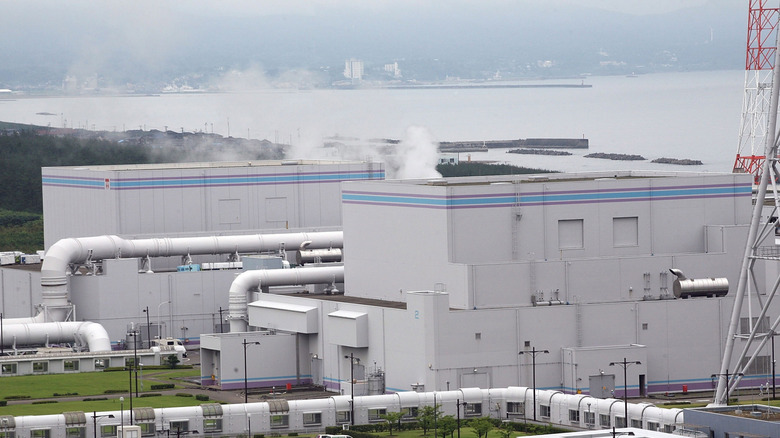
A reactor at the largest nuclear power station in the world was reactivated on January 21, 2026, for the first time since 2011. Less than six hours later, in the early hours of the next morning, it was shut down again. The Number Six reactor at Japan's Kashiwazaki-Kariwa plant was suspended when an alarm sounded due to an issue with the removal of control rods. Control rods are components of a nuclear reactor that are inserted or removed to control the rate of the reaction.
Tokyo Electric Power Company Holdings (TEPCO), which owns the plant, said there were no issues with safety, and that there hadn't been a radiation leak. However, it did immediately put the reactor back into shutdown and is still looking into the issue. The restart of the Kashiwazaki-Kariwa Number Six reactor had already been put back a day because of issues with the alarm system.
The plant — along with all other nuclear reactors in Japan — was closed in 2011, after an undersea earthquake triggered a meltdown at a nuclear power plant in Fukushima, leading to hundreds of thousands of people being evacuated, in what was considered the worst nuclear incident since the 1986 Chernobyl disaster, where the local area is still affected by the fallout.
What's next for Japan's nuclear industry?
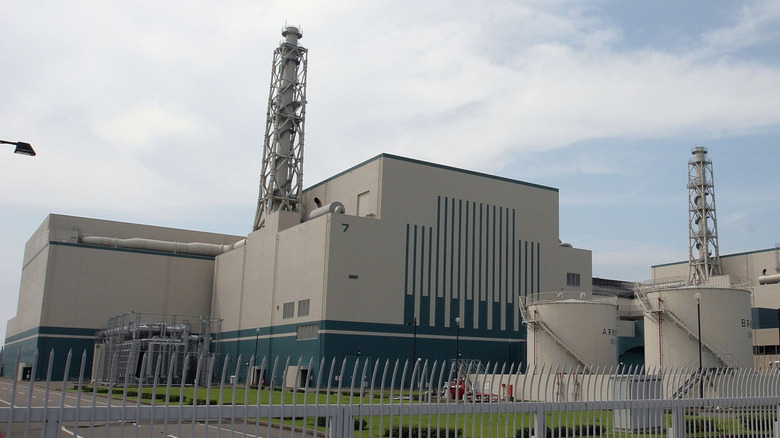
After the nationwide closure of nuclear power plants following the Fukushima disaster, the first reactor to reopen was a unit at the Sendai nuclear power plant in Satsumasendai in August 2015. Japan has now reopened 15 of its 33 potentially operational nuclear reactors. The Number Six reactor at Kashiwazaki-Kariwa was the first one owned by TEPCO to be reactivated. The site's Number Seven reactor is scheduled for reactivation in 2030, while numbers one to five will likely be decommissioned.
Opinions in Japan are divided over whether nuclear power plants should be turned back on at all. While the country's Prime Minister Sanae Takaichi has spoken out in favor of nuclear power as a renewable energy source, many people are concerned about the safety risks highlighted back in 2011. Protesters demonstrated against the plans for the Number Six reactor at Kashiwazaki-Kariwa ahead of its reactivation.
There was controversy earlier in January 2026, when it was found that a nuclear plant in Hamaoka, owned by Chubu Electric, had been manipulating its risk data results. The plant wasn't operational, and the issue was discovered during the review process to reopen its reactors. Nevertheless, incidents like this, alongside the rapid deactivation of the Kashiwazaki-Kariwa reactor, have set back Japan's plans to rekindle its nuclear power industry, which before 2011, provided nearly 30% of its electricity.