

Are iPhone 'Fast Chargers' Bad For Your Battery In The Long Run?
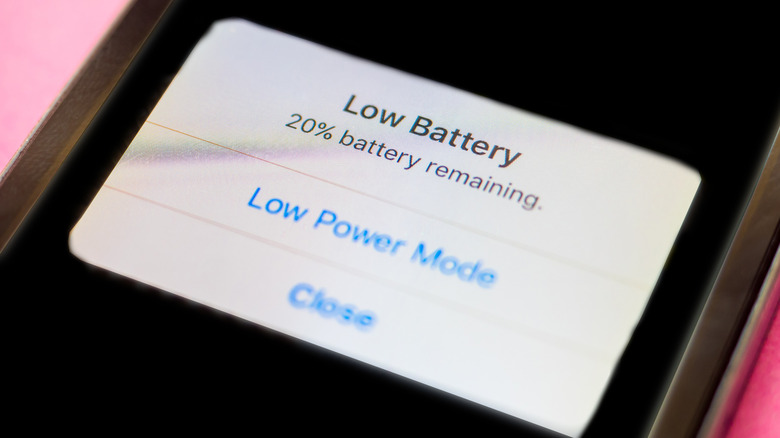
We rely on our smartphones so much these days that it seems like a personal betrayal when they decide to run out of charge. This is why many of us resort to fast iPhone chargers to keep our games, movies, and social media feeds at our fingertips. But there are questions about the use of iPhones with fast chargers and their effect on long-term battery health. So, are fast chargers harmful to iPhone batteries, or are they safe?
As always with such questions, the reality is that there's more to it than meets the eye. First, let's define what we mean by fast charging. Although there is no industry standard as to what defines a fast charger, it's generally accepted that chargers delivering 18 watts or more of charging power are considered fast chargers. According to Apple, using a fast charger of 40 watts or more will allow you to charge an iPhone 17 to 50% in about 20 minutes.
But there's a law of physics at play here: the simple fact is that more power generates more heat — and iPhone batteries, or any lithium-ion battery for that matter, don't like heat. High temperatures can cause the internal chemistry of lithium-ion batteries to decay faster. On the face of it, this would seem to imply that fast chargers would be inherently bad for batteries. However, advanced charging technologies and battery management systems can negate much of this downside and help to maximize your iPhone's battery life.
How fast charging works
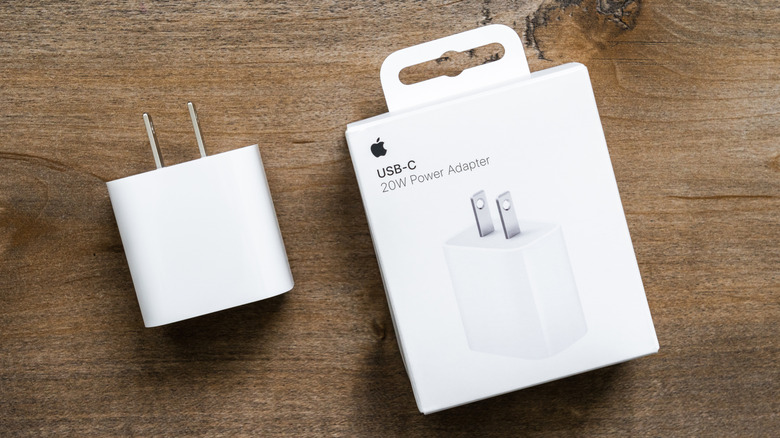
Fast charging an iPhone isn't a brutal application of all of a charger's available wattage just thrown at your battery. Rather, it's a managed approach that prioritizes speed early on, then gradually shifts its focus to battery protection. When an iPhone battery is low, it can safely accept higher charging power. This is why the biggest gains are delivered during this phase and, as the battery fills, charging will slow.
This isn't accidental; lithium-ion batteries experience more stress as they approach full capacity, particularly where excess heat is present. To manage this, iPhones continuously monitor battery temperature, voltage, and charge state during charging. If temperatures rise above acceptable limits, the device automatically reduces charging speed or even pauses it altogether until conditions improve.
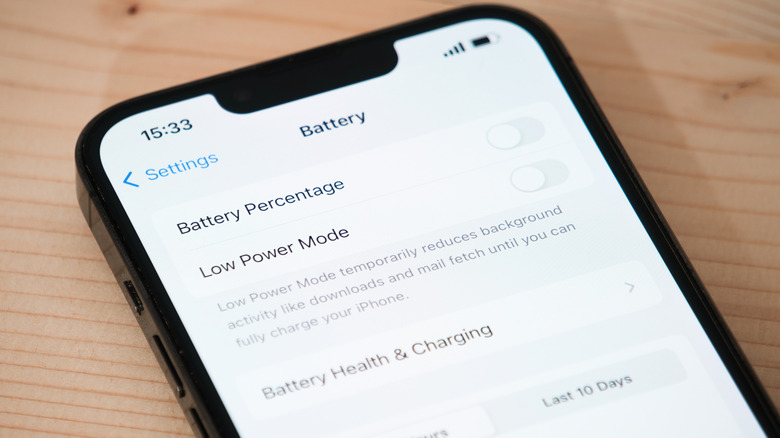
Apple also has software controls on the phone side of the equation. Features like Optimized Battery Charging are designed to reduce the amount of time an iPhone spends at full charge. It can learn from user behavior and adjust charging accordingly. For instance, during predictable routines like overnight charging, your phone will delay charging past 80%, with the algorithm only taking it to a full charge based on when it predicts the charger will be unplugged.
As a result, under normal conditions, fast charging doesn't expose iPhone batteries to constant high stress. Instead, it's designed to supply a fast charge when your phone and scrolling habits demand it, and to do this while protecting battery health wherever possible. Still, you'll want to keep an eye out for signs you may need to replace your iPhone's battery.
Caring for your iPhone battery
We now know that modern fast chargers, batteries, and advanced battery management systems can protect your iPhone battery from the rigors of high-wattage charging. That being said, battery longevity can still be influenced by everyday habits, particularly how heat is managed during charging.
Temperature plays a larger role than charging speed alone. Apple recommends operating and charging iPhones within specific temperature ranges. Higher temperatures can permanently damage a battery's performance. Importantly, this doesn't just apply when charging, but even under usage or storage conditions, Apple advises avoiding ambient temperatures higher than 95 degrees Fahrenheit (35 degrees Celsius).
Another important factor is the charger; there are plenty of third-party chargers available on the market, and although it's generally safe to use a cheap iPhone charger, a bit of due diligence is required here. It's important to make sure that any charger you use carries the "Made for iPhone (MFi)" certification. Charging habits also matter; the aforementioned Optimized Battery Charging system is designed to help here and can slow long-term battery aging. It's always good practice to make sure it's turned on. Apple has a support page that takes you through how to confirm it's turned on (it should be by default) and is operating correctly.
Ultimately, fast charging is a useful tool, especially when time is limited. But when speed isn't important, giving your iPhone the luxury of a long, slower charge can help to support long-term battery health without feeling like your phone has betrayed you.