

California Cities Are Going All In On Controversial AI License Plate Readers

California drivers, get ready: the Golden State is rapidly expanding its use of AI-powered license plate readers. These systems capture and analyze millions of images, tracking where vehicles travel, when they move, and other identifying features such as make, color, visible damage, and so on. It's a controversial move, and not just because of the obvious privacy concerns. There's also increasing evidence that the federal agencies are using the data for immigration enforcement. More than 200 police departments, sheriff's offices, and other agencies have access to data from these automated license plate readers (ALPRs).
The move has triggered fierce debates in city halls from Oakland to Santa Cruz. And while some municipalities in other states have fought back against these ALPRs and canceled contracts after learning that the data was being sent to the feds, most California cities have actually opted to renew or expand their programs.
For example, the Oakland City Council voted 7-1 to approve a $2.25 million, two-year contract broaden the city's use of ALPRs in mid-December 2025. Supporters argue the cameras are just another investigative tool, but these aren't your average traffic light cameras. Critics point out that any investigative benefits are very much outweighed by the broader issue of collecting massive amounts of data on people and providing it to the federal government.
California's ALPRs aren't just a privacy issue
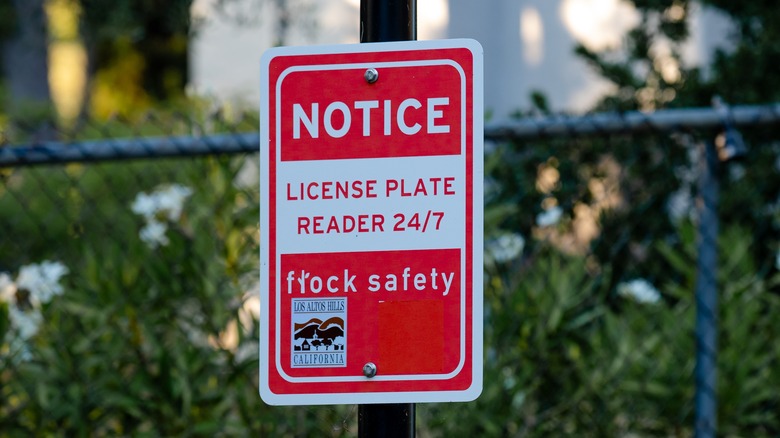
The issue isn't just about whether California cities should use license plate readers; there's also the question of whether they can even legally do so. State law requires agencies to adopt detailed policies governing access, retention, and auditing of ALPR data. That would also prohibit the sharing of information with federal agencies or out-of-state law enforcement for immigration enforcement. And yet, multiple lawsuits filed against Oakland and San José allege that police departments have done exactly that.
State officials aren't happy, either. A prior audit by the California Attorney General's office found that while most agencies collect license plate data, very few maintain the right amount of privacy protections. California Attorney General Rob Bonta even sued the city of El Cajon over data-sharing practices that allegedly violated state law. Records from Santa Cruz County showed thousands of searches performed by dozens of agencies — many with vague justifications. For its part, Flock Safety, the company behind ALPRs all across the country, insists that local agencies own their data and control who can access it. Flock also claims that it has outright disabled out-of-state access for California customers.