

Canadian Telecom Giant Launches Low-Cost Starlink-Based Mobile Service
The race to offer satellite-based mobile connectivity services is getting hotter across the North American and European markets. Starlink remains the market leader, while the big carriers such as T-Mobile, Verizon, and Vodafone have also dipped their toes in the lucrative waters. The latest to join the list is Canadian telecom operator Rogers Communications. The company has just launched Rogers Satellite, a new service using Starlink as a base that supports text messaging and also enables access to internet-connected services such as Google Maps and WhatsApp. "We're proud to be the first and only provider in the country to offer this ground-breaking technology so Canadians can stay connected," said the company's chief, Tony Staffieri.
More importantly, the satellite service is not limited to just Rogers customers. For users who are paying for a different carrier service, they can still avail the satellite coverage benefits by paying for an add-on Rogers Satellite service priced at $15 per month. The only requirement is that the device (phone or smartwatch) must be carrier unlocked and should allow eSIM functionality. For existing customers, the company is offering 24 months free access to Ultimate subscribers and 12 months of no-cost satellite service to Popular plan buyers. The rest of the subscribers can get it at a discounted rate of $10/month for a year.
The Canadian operator began testing satellite-based services back in July, when it launched a beta program that was limited to text messages. Now that the service is widely available, the pool of supported apps and services has also expanded. Aside from 911 emergency calling and texting, the satellite service has also landed support for WhatsApp, X, CalTopo, Accuweather, and Google Maps. The company says the pool of satellite-ready apps will expand soon as developers update their respective apps.
How it's going to work?
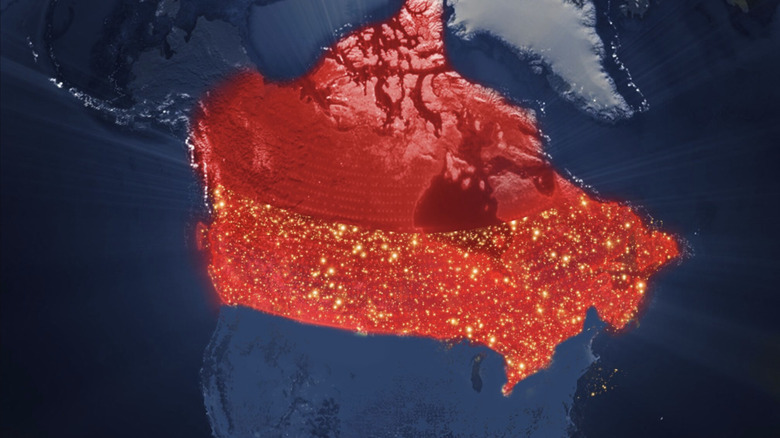
Rogers Communications notes that the satellite communication service — which is available for regular users as well as IoT companies — will cover remote areas where cellular connections are inaccessible. There are a couple of caveats that come with using internet-connected apps over Rogers' satellite network. First, the availability will vary depending on the phone in your hand. The company's support page mentions compatibility with iPhones, Samsung Galaxy, and Google Pixel phones.
Additionally, how well an app works — if it works at all — depends on how well the underlying software has been optimized for low-bandwidth network lanes. Simply put, streaming-heavy apps that require more data packets, such as social media and games, won't offer the best experience. More importantly, not all phones will see the full set of satellite-enabled features. Simply put, older phones will miss out on a few of those perks. For example, the current-gen Samsung Galaxy S25 Ultra will support messaging (SMS, iMessage, and RCS), 911 emergency texting, public alerts, location sharing, and third-party apps. The Galaxy S24, which was launched last year, misses out on support for satellite-ready mobile apps such as WhatsApp.
On the technical side, messaging is limited to text conversations and group chats, as support for video and static images is not supported, probably due to bandwidth limitations. It's also worth noting that the Rogers Satellite service will co-exist alongside Apple's Emergency Satellite SOS service that is available on iPhones. However, if you are paying for Rogers Satellite service on your iPhone, it's the one that kicks into action first when you go off the grid. And in pockets where the carrier's satellite service doesn't work, Apple's system will be activated.