

The Pros And Cons Of Using Wireless CarPlay
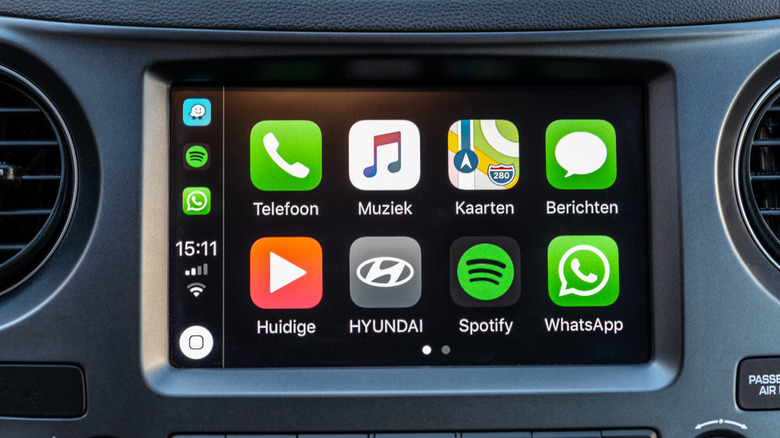
Driving can be thrilling, but it's still stressful enough on its own. It demands constant high-level attention, as there are cyclists, pedestrians, and unpredictable drivers to think about. Because of this, any feature that simplifies your driving experience can feel like a win. Apple CarPlay, in particular, has largely replaced things like your CD player or cassette deck, which are just a few car features that modern tech has made obsolete.
CarPlay is especially convenient because it offers wireless capabilities. Instead of fumbling with cables each time you want to use your smartphone's core functions while driving, wireless Apple CarPlay (and its non-Apple variant, Android Auto) lets you pair your car and iPhone via Bluetooth or Wi-Fi. This means you don't have to deal with a cluttered center console to answer calls, use navigation apps, or listen to your favorite podcast.
However, while there's much to love about wireless CarPlay, that doesn't mean it's a foolproof solution; there are potential downsides. For starters, wireless CarPlay solely depends on a wireless signal: A sluggish or inconsistent connection can easily cause laggy performance and annoying disconnections. That said, before you decide whether wireless CarPlay is worth using every day over wired, it's crucial that you take a look at the good and bad of this ever-evolving technology.
Why wireless CarPlay feels like a genuine tech upgrade
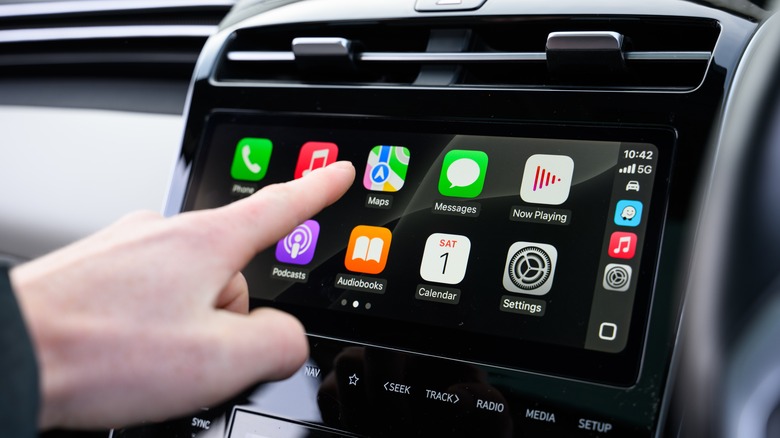
The most obvious perk of switching to wireless CarPlay is the significant convenience it brings. Wired CarPlay is reliable (there are no lags or interruptions), but it always falls short when it comes to flexibility. After all, you're stuck in one spot, dependent on the length of your charging cable. So, if you want to take a photo or pass your phone to another passenger, you'll have to disconnect and reconnect it manually, and this can be quite tiresome. However, with wireless CarPlay, you'll enjoy cable-free connectivity. This means you can keep your phone in your bag or scroll through apps at a stop (while safely parked, of course) without losing connection to your car's infotainment system.
Another compelling benefit is that wireless CarPlay helps keep your cabin cleaner and more organized. Without a Lightning cable draped across your car's console, your dash will look neat, and even better, it will have fewer distractions — a minor yet real safety bonus. You'll also enjoy instant automatic pairing. Once you turn on the engine, your iPhone will automatically connect to your car's infotainment system without having to hunt for a USB port. At a glance, this might seem like a minor detail, but it can make a significant difference, especially during rushed mornings when time is of the essence.
Why wireless CarPlay is still far from perfect
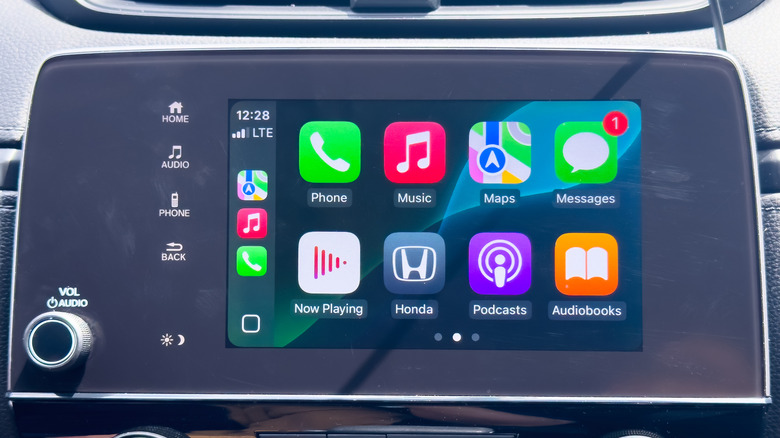
Connection stability is an essential factor to consider when determining whether wireless CarPlay is worth using or not. Unfortunately, one of the biggest cons of wireless CarPlay is that it's only as reliable as your internet connection. So, if you're a traveler who frequents remote locations where high-speed internet is not guaranteed, you'll lose the very purpose of wireless CarPlay, as you might have issues accessing some core iPhone features like music streaming or navigation.
Then we have the problem of battery drain. Just like how some popular iPhone apps quickly drain your phone's battery, wireless CarPlay does so at a faster rate than wired. A huge part of it is the fact that it uses Wi-Fi and Bluetooth to integrate your vehicle with your iPhone. Plus, your phone will have some noticeable lag when it comes to audio, again because your iPhone is communicating with your car wirelessly. Wired CarPlay, meanwhile, is much more responsive and largely eliminates issues related to audio lag.
Additionally — and perhaps must frustrating — not every car supports wireless CarPlay. Even some new vehicles might not have support for wireless integration. In fact, companies like GM are removing Apple CarPlay and Android Auto from all their new cars in favor of an in-house interface. Of course, this might not be a deal-breaker for everyone, as you there are alternatives. In fact, SlashGear found a collection of inexpensive, highly-rated wireless CarPlay adapters available on Amazon that can be a great alternative in such a situation. This isn't a perfect solution, though; with these add-ons, you might run into quirks like inconsistent performance and reduced audio quality, especially in older vehicles.