

Why Don't Modern Cars Need Tune-Ups Anymore?
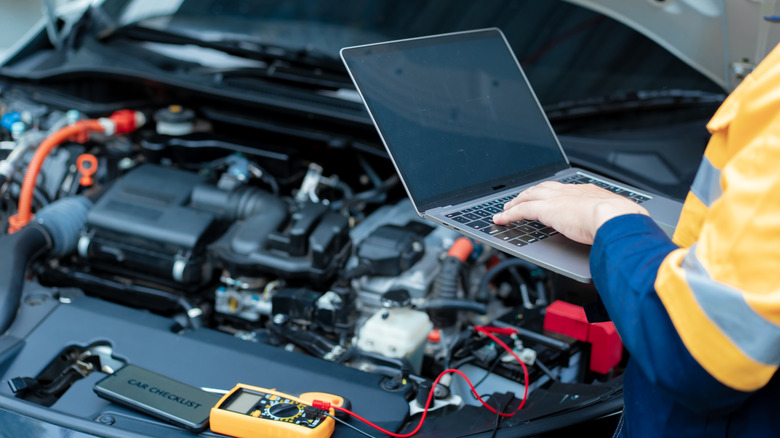
It doesn't seem so long ago that cars and trucks needed regular tune-ups. When cars were more analog than digital and couldn't self-diagnose problems, they required frequent adjustments. These tune-ups involved many of the same checks and adjustments made today, but they were far less precise and depended less on computer diagnostics. Often, experienced mechanics relied on their own knowledge and intuition, combined with simple, low-tech tools, to tune the vehicle as needed. Tasks like setting the engine's timing, adjusting the fuel mixture, and tuning the idle speed were manually performed by mechanics to ensure the vehicle ran smoothly.
The definition has shifted over the years, so many new car owners may never utter the phrase "my car needs a tune-up" or, for that matter, mechanics may refrain from using the term to describe maintenance as such. In the old-school sense, a tune-up meant manually adjusting a mechanical component or changing spark plugs and carburetors, which often left the door open for more mistakes and, in the worst case, less-than-honest mechanics taking advantage. As technology advanced, there has been a shift towards transparency on the side of mechanics and reliability of the cars themselves. You could say that modern cars don't require tune-ups, as we now call it routine scheduled maintenance. We have logged data from a car's on-board sensors, which relay real-time data to the Engine Control Unit (ECU), resulting in greater efficiency and accuracy compared to the act of turning a wrench to adjust a part.
From analog to digital
The reason your car no longer requires manual tune-ups is due to the widespread adoption of digital engine management systems. The ECU, acting as the brain of the car, actively tunes the car, if you will, adjusting things like the fuel and air mixture for optimal combustion, as you drive. Older cars had to be adjusted by hand by a mechanic to find the sweet spot of a fuel mixture. This would be considered part of a regular tune-up, which was typically done when experiencing engine misfiring and poor combustion issues. With modern technology and modern components, things tend to run better these days, with the focus being more on preventing issues than correcting them.
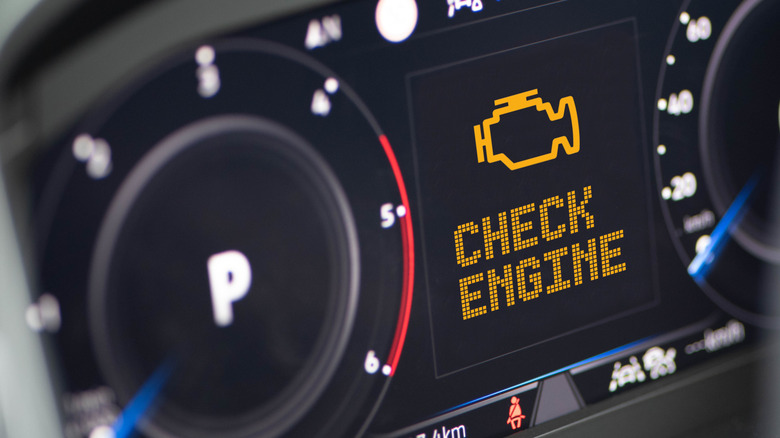
What should be emphasized is that while you may not tune a car in the traditional sense anymore, you still need to pay attention to the dashboard and which lights are coming on, which will tell you when problems arise. This also factors into a modern approach to car maintenance, which revolves not only around digitally monitored systems but also tightly scheduled maintenance intervals. Rather than using a screwdriver or wrench to crudely make adjustments, modern mechanics focus on things like fluids and filters, finding solutions to problems quickly by reviewing logged ECU data. While new cars don't require tune-ups, they still require care and regular maintenance to keep drivers happily on the road.