

Would Permanent Daylight Savings Time Truly Be A Traffic Safety Risk For Kids?
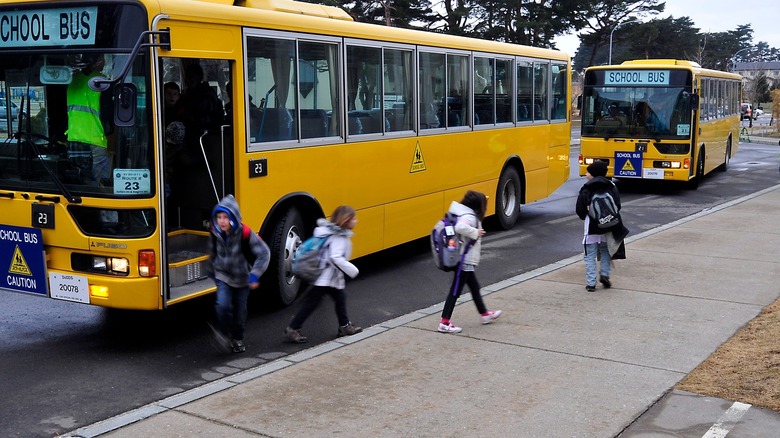
Sure, Daylight Saving Time is observed pretty commonly across the United States, but the actual action of changing clocks twice a year is considered a real pain. That's why, in July 2026, the House attempted to end the hassle. It came up with a bill that would put the country on daylight saving time permanently, called the Sunshine Protection Act. It was even backed by Trump. However, before it could be voted upon, the Senate went on recess, and the bill hasn't become law yet.
The bill does have its fair share of critics, and the fears are backed by data. An analysis by Nexstar Media published by The Hill checked sunrise times for a student who leaves home at 7 a.m. on each of the 85 school days between November and March. This was done for 62 cities in the U.S. They found that, on average, that student would be setting out in the dark on about 50 of those days. But if the DST bill passes, it would push that up to all of the 85 days in all cities but two: Las Vegas and Panama City.
As for whether spending all that extra time in the dark puts children at greater risk from cars is a messier question. While it's a fair thing to wonder, it's not exactly proven, since research on accidents specifically around this has yet to establish a clean link.
The U.S. actually tried it in 1974
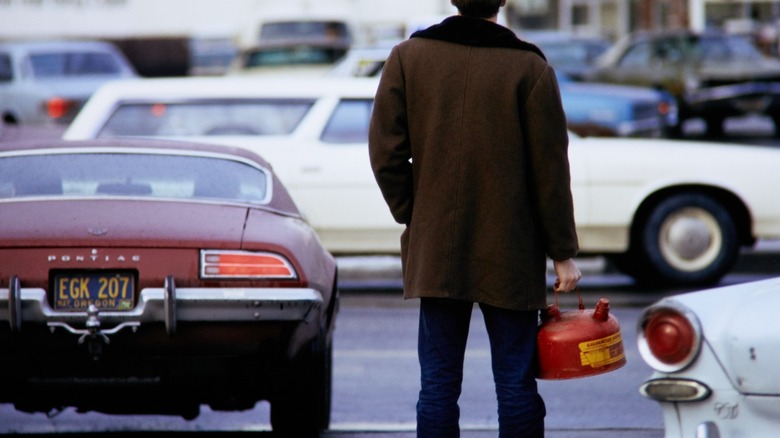
Back in January 1974, thanks to an oil embargo, Congress was pushed to try year-round DST as a way to conserve fuel. Many kids, as a result, had to head to school in the dark. Within the first few weeks itself, eight children in Florida were struck and killed by vehicles on their way to school. This spurred Florida Governor Reubin Askew to urge Congress to undo the law. Standard time was then brought back in October 1974.
However, wider data proved the matter wasn't so simple. For instance, a survey by the National Safety Council of traffic deaths during school commute hours tallied 20 child fatalities in January 1974. A year before, this same window saw 19 deaths, so they concluded that deaths barely changed with year-round DST.
A similar conclusion was reached by the Department of Transportation. In a 1975 report covering the whole country, researchers compared traffic deaths from January to April 1974 against the same months of 1973. They found that there was no point in the day when school-age kids fared worse than the rest of the population.
But then again, when the National Bureau of Standards actually reviewed that same report in 1976, it found something odd: Morning deaths among school-age children actually rose by a statistically significant margin. Even then, it said that there was no way to establish DST as the cause. The ongoing crisis at the time made it harder to study the impact of darker mornings — there were fewer cars on the road during winter, for one.
Brighter evenings complicate the math
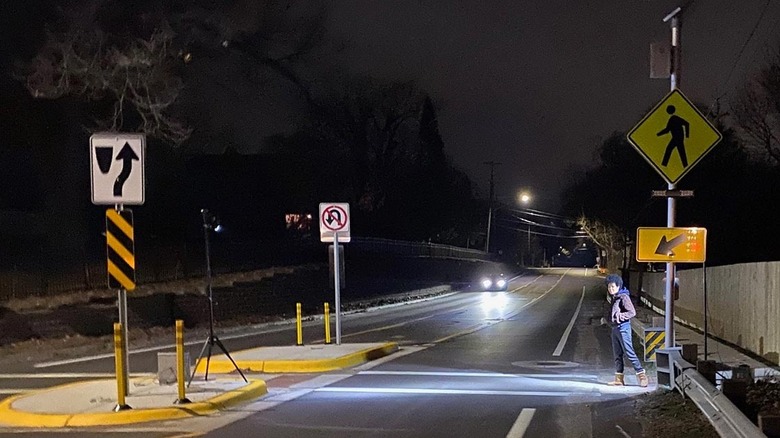
If things aren't complicated enough already, there's also evidence that goes the other way. The thing is, DST doesn't really increase or decrease the amount of daylight. It simply moves the clock by an hour, meaning evenings get an extra hour of light. And evenings typically see more traffic. A 1995 study from the Insurance Institute for Highway Safety (IIHS) leaned on this, estimating that switching to year-round DST might have prevented 727 fatal pedestrian crashes between 1987 and 1991.
However, kids don't really walk to and from school in the evening, so while the benefits cover people in general, it doesn't really include kids. That said, even if recent research around kids specifically is thin, darkness generally does make walking riskier. A 2025 IIHS study looked at pedestrian and cyclist deaths in the weeks after clocks fell back in the fall, and recorded that deaths among people walking or biking rose 13%. Then, in March, when things are switched back and evenings are brighter again, the deaths fell 24%.
Again, this particular study counted pedestrians of all ages, so it can't really say whether children would come out ahead overall. IIHS President David Harkey stressed that while the findings didn't favor any one DST policy, darkness does raise the risk. Unfortunately, kids heading to a bus stop or walking to school in the dark before sunrise do fall into that group.