

How Often Should Lawn Mower Belts Be Replaced?
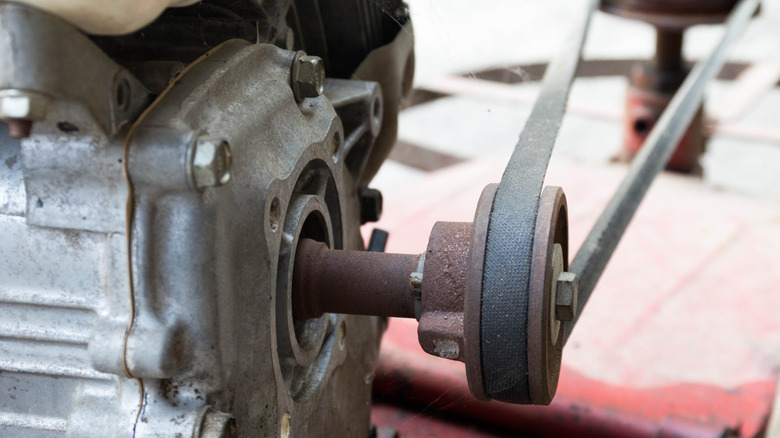
Lawn mowers need belts to operate smoothly, transferring power from the engine to its key components, including the blades and transmission. Due to constant friction with these various lawn mower components, belts will eventually get worn out and need to be replaced — and you'll want to do so before you're faced with a pricey repair. Generally, lawn mower belts last a couple of years, and you should get a few hundred operating hours out of them before replacing them. Once you replace the belt, stick to that same cadence if your mowing remains consistent.
A lot of factors go into a lawn mower belt's life expectancy, which means the lifespan may vary from mower to mower. This includes how often you use your lawn mower, the terrain you use the mower on, and how often you inspect, clean, and maintain the mower. Tall grass and uneven terrain will shorten the belt's life, as well as improper belt tension. Debris and moisture buildup may also wear down the belt faster than expected. Push mowers and sit-down mowers also have varying belt lifespans, with sit-down mowers having more moving parts that could further reduce your belt's lifespan.
Signs that you need to replace your lawn mower belt
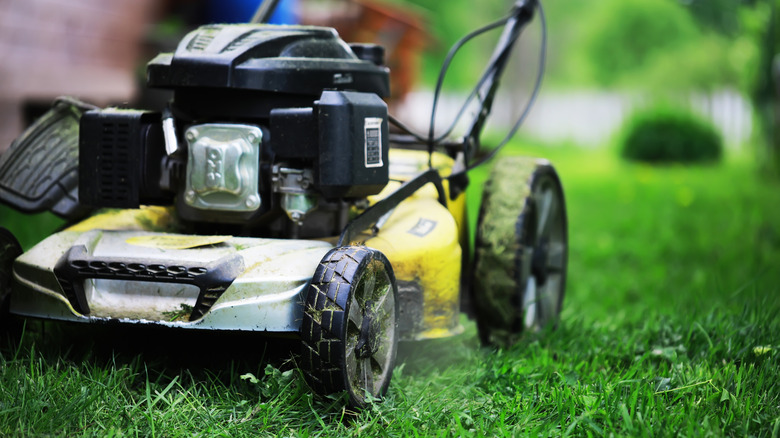
Since there is no exact lawn mower belt lifespan, it's important that you are able to identify when a belt has to be replaced. Regular inspection is very important since most signs are something you need to see or hear. When you look at the mower, you may see cracks from extended use in the heat, side wall damage from debris, or even burned areas from increased friction as the belt has worn over time. You may also hear a high-pitched screech while mowing, which could indicate that the belt is loose or not aligned properly. Ignoring these signs could lead to belt failure.
You may also notice a change in the mowing itself when the belt needs replacement. If your mower is cutting grass unevenly, there could be an issue with the belt. If you're on a sit-down mower, a worn belt may also cause jerky movements or slower speeds. After you're done mowing, you may also smell burning rubber, which could mean the belt has slipped and might be damaged from the heat generated from the resulting friction.