

The Easiest Ways To Keep Your DIY Workspace Dust And Dirt Free
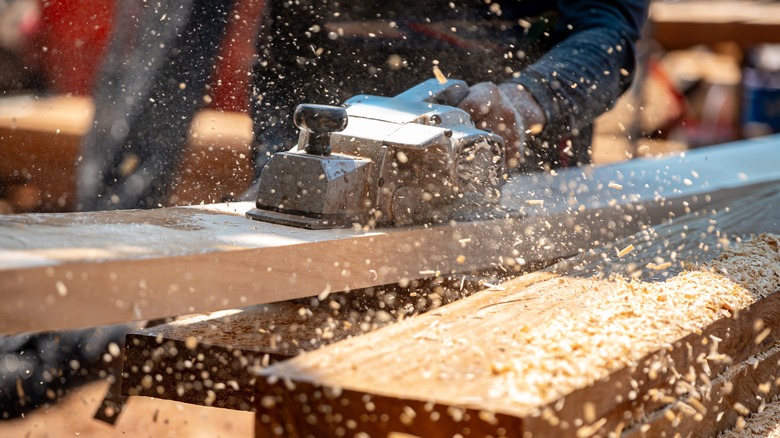
If you have a workshop or know someone who does, you know how hard it may seem to keep this space clean. It's pretty much a given that dirt and rust will accumulate over time as folks come in and out and jobs of all kinds get done. There are a few simple, DIY ways to keep a workspace presentable. First and foremost are preventative measures to contain the spread of debris. Place floor mats at entries so visitors can wipe the dirt from their shoes, attach dust collector bags to compatible power tools to contain dust, and keep things organized and put away to minimize the surfaces where dust can gather.
There are also simple ways to address dirt and dust that have already accumulated. A broom is great for sweeping away dust on floors. On top of this, a vacuum cleaner can cover carpeted floors, and a wet/dry vacuum can help you reach walls, tight corners, and other areas difficult for regular standing vacuums to access.
Shelves, appliances, and the like should be wiped down with a microfiber cloth, and you should clean your power tools the right way to ensure their longevity and general tidiness. You should also ensure there's ample ventilation, such as open doors or windows, to allow particles blown around to exit the room. While cleaning a workshop on your own can be tedious and time-consuming, it's entirely necessary. After all, the benefits of a clean workshop are more than aesthetic.
The importance of cleaning your workshop
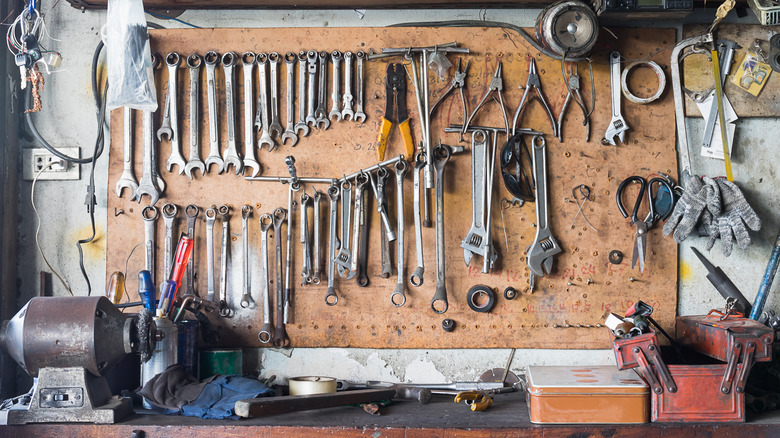
Keeping one's workshop clean and relatively dirt and dust-free is essential for multiple reasons. For one, workshop dust and debris can negatively impact one's health: According to the Occupational Safety and Health Administration, breathing in wood dust can potentially lead to allergic reactions, respiratory issues, and, in worst-case scenarios, cancer. Just like dust, dirt can carry harmful bacteria that can harm the human body if ingested. Not to mention, the presence of mud on floors can lead to slip and fall accidents, making walking a safety risk.
The effects of a dirty workspace on the human body aside, dirt and dust can also be a huge problem for tools. Dust particles can settle inside the nooks and crannies of power tools, creating internal blockages that can cause performance issues and even overheating. Meanwhile, dirt and mud can dry on tools and equipment, causing corrosion to metal and plastic over time. Dirt can impact one's grip on tools, too, possibly leading to mishaps (such as dropping them) and damage. As for the workshop itself, dirt and dust accumulation can set the stage for mold growth, which presents an even bigger overall health risk.
After a hard day's work, it can be difficult to muster up the energy to clean up one's workshop, but it's a necessity for one's health, the longevity of their tools, and the hygienics of their workspace. Fortunately, you can do it with just a few tools — chiefly a broom, some cleaning rags, and something like one of the many dust collector systems ideal for small workshops — and a little effort.