

Why RAM Prices Are Out Of Control In The US
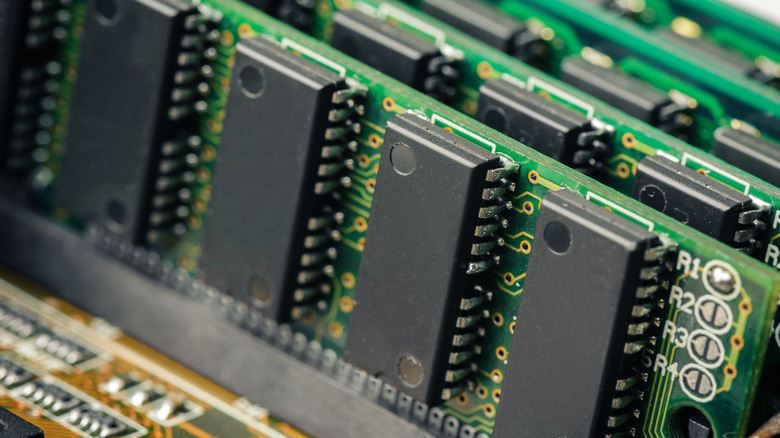
The consumer electronics industry is an odd spot right now. Not too long ago, the rising cost of GPUs — especially during the cryptomining boom – was the talk of the town. Now, it's the RAM situation that has sent the industry into a spiral. And this time around, it's not just the PC segment that is feeling the pinch, but also smartphones. The culprit? AI. Or to put it more accurately, the inexhaustible demand for memory chips in the AI data centers. Record profits are flowing into the coffers of memory chipmakers like SK Hynix due to skyrocketing demand, leaving PC brands to struggle with supply shortages and rising prices, which they are now passing on to customers.
According to market research data by TrendForce, the price across certain segments has nearly doubled since February. The situation is so bad that at Central Computers, the stores are no longer showing the price of RAM modules. Instead, the sellers are adjusting the price randomly based on the market reality in real time. Micro Center is also doing something similar. Essentially, you are picking a blind box, and only the on-floor sales executive will tell you the price of memory on any given day.
The situation is so bad that a 64GB DDR5 package is going for as much as $906.99 at Best Buy, which is almost the cost of a fully functional laptop. And it's not just the peripheral makers that are hiking the prices. Laptop makers such as HP and Dell have outlined plans for price hikes of up to 30%, while giants like Lenovo are even considering a limit on the amount of RAM packed inside mid-tier laptops. Even Framework, which recently slammed other brands for the eye-watering price surge, also raised DDR5 memory prices by 50%.
A monstrous memory appetite
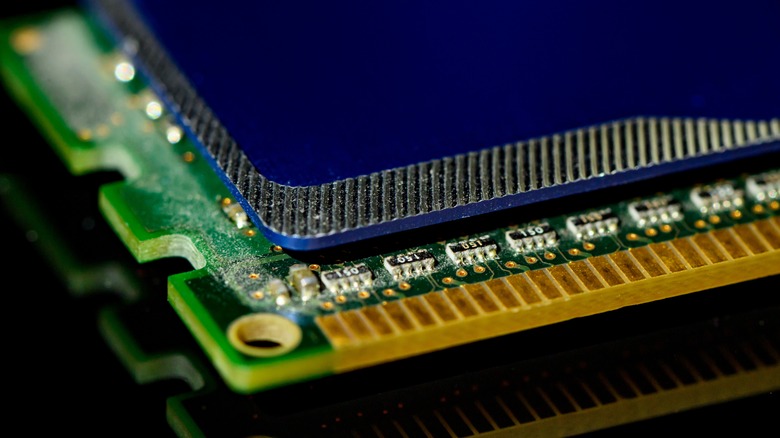
The concise version of the situation is that data centers are hogging up memory resources, creating a supply shortage. And at the same time, the willingness to pay a high price for memory chips has raised the sticker price for everyone. The memory supply crunch touches nearly every kind of memory, from flash in USB drives and phones to HBM powering AI accelerators in data centers. But AI's appetite is huge beyond comprehension. For example, ChatGPT-maker OpenAI inked a deal with Samsung to source 0.9 million memory wafers per month through 2029. "That's about double current global monthly HBM production," Chey Tae-won, chairman of SK Hynix parent SK Group, was quoted as saying by Reuters. To meet AI demand, Samsung and Micron have both decided to phase out DDR4 memory used in PCs and phones, according to the same report. Micron went as far as shutting down the entire Crucial memory brand for consumer electronics, so that it could tap into the AI frenzy.
And it appears that this trend is not going to end anytime soon. AI giants — a small group that includes Google, Amazon, Microsoft, and Meta — have asked memory suppliers to provide as many wafers as they can manufacture. As a result, Samsung and SK Hynix are both sold out of their 2026 memory supply quotas, a year in advance. Another side effect of this shortage is the inevitable price gouging, as sellers have begun hoarding caches worth tens of thousands of RAM units in advance. In the face of surging DRAM prices towards the end of 2025, the more worrying reality is that "wafer capacity consumed by HBM exceeds that of standard DRAM by a factor of three," as per NAND research. Simply put, memory chipmakers have more incentive to address AI demand than the consumer electronics segment in the immediate future, which means average buyers will have to pay a huge premium or settle for lower specs.