

Space Cube Tiny Linux PC Tested: Expensive & Impressive
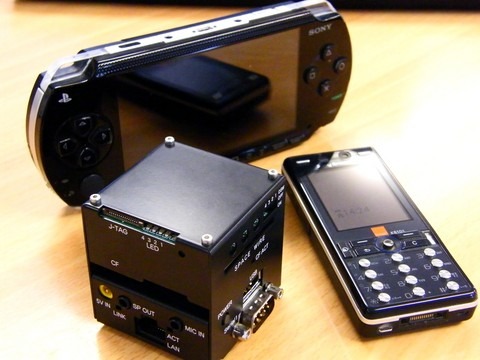
With all the MIDs and UMPCs we've seen recently, perhaps we shouldn't be so surprised by the amount of miniturization needed to fit a full 300MHz Linux PC into a 2-inch cube. Nonetheless, seeing familiar ports like VGA and ethernet dwarfing the so-called Space Cube's body is still enough to prompt amazement; PC Pro magazine imported one of the tiny cubes to see what exactly you can do with 64MB of RAM and a Space Wire port.

As it turns out, the Space Wire port might be the most important part. It's the standardized connector used by NASA and other institutions for hooking up sensors and downlink radios, if the Space Cube goes into, well, space.
A custom version of Red Hat Linux runs off of a 1GB Compact Flash card, with apparently quite reasonable performance considering the somewhat anaemic specs. Unfortunately it doesn't look like availability is going to be at all widespread, but then considering the estimated price has jumped from $325 to around $2,740, that might not be such a disappointment.
[via Slashdot]