

Netronix EB-100 And EB-300 Could Offer Up Some Price Relief On The E-Ink Front
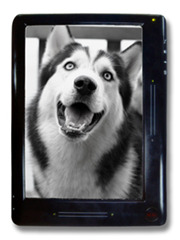
These two new eBook readers coming out of Taiwan should start offering up some better prices and more competition to the Kindle and other players like it thus driving down the price. Personally I'm not much of a reader, which is kind of funny all things considered, so this whole market is lost on me, but I like the technology behind it.
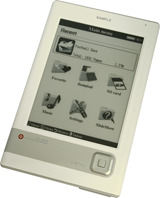
There are two new readers from Netronix, which is at least in part owned by PVI, there is the 9.7-inch EB-300 running WinCE and the 6-inch EB-100 running on Linux. Both devices use E-Ink displays for basic usage such as reading digital books.
The real news is that the WinCE device with an E-Ink display is kind of a new approach and could mean great things such as the use of Mobipocket, eReader, and maybe even uBook for reading through DRM'ed eBooks. It also allows for the ability to read TXT, PDF, RTF, HTML, BMP, JPG, GIF, PNG, MP3, and AAC file formats, it also has Bluetooth and WiFi as well. That's all on the larger model as well as a touchscreen, headphone jack, 1200x825@170DPI resolution, and TrueType fonts meaning you'll be able to see the words better.
[via TeleRead]