

Is The Mobile Browser Relevant?
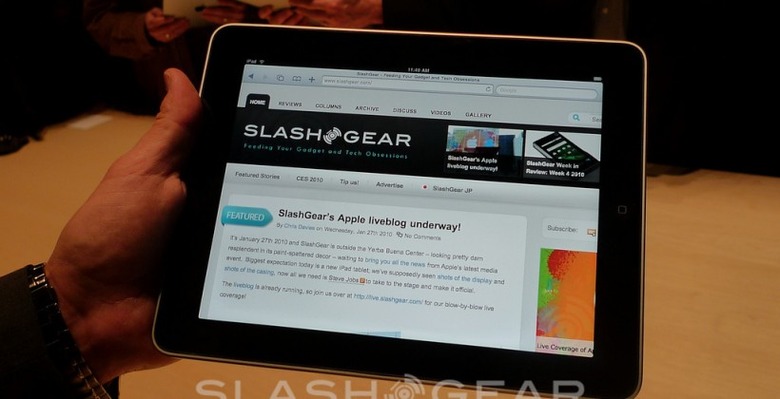
I think it started with the iPhone and Safari, combining the power of a Webkit browser and a mobile phone for the first time. Later adopted by Nokia and Google among others, the mobile browsing experience has improved in leaps and bounds over the last three years. Today, vendors offer to deliver the "real Internet" to devices but I'm not certain that the "real Internet" is what matters for mobility.
I know there are some who wail about the Internet splintering with new devices coming to market but personally, I think that's actually a good thing.
A unified view of the web made sense when pretty much every screen accessing the Internet was a PC with a standard screen resolution on essentially a unified platform. Today, we talk of three screens and a cloud to represent PCs, phones and televisions that are connected. They share neither column platform, screen size or resolution. They're not used for the same purposes. It's not realistic to think that the web should or even would look the same on any of them. (it's also not really three screens either. Count up the number of screens you have in your home, office and along the way and it's more like 33 screens).
Part of the confusion is what demos well. Things that demo well and are cool get noticed. The more mundane but practical gets taken for granted.
Here's an example: reading newspapers on the Web on a mobile device. For years Apple, among others, have loved to show the NY Times website in a mobile context. Here's a test to try. Go to your favorite mobile device and enter the following URL. mobile.nytimes.com (it won't work on a PC). Now try the same thing with nytimes.com on a your favorite "real" mobile web browser of choice if you have one on your device. Take your time and be patient, it might take a moment or two. Which looks the best and coolest? Well, IMHO the Times classic site. If I actually want to read the Times, however, the experience breaks down pretty quickly for me. It's hard to read and it's hard to navigate. The NYT site was just not made for mobile devices. In fact, at the recent iPad launch, Apple once again showcased the NYT home page but also had an NYT app on display to show how reading could be optimized for mobility. I sometimes wonder if anyone ever reads the NYT on a mobile device by going to the "desktop" version, no matter how capable their mobile browser.
I don't think the mobile web is about brining a full desktop experience to a device or just delivering a stripped down version of the desktop. It's about making solutions that are optimized for the medium. Does that mean that the web will look differently on different screens? Absolutely. That's inevitable and it's actually a good thing not a bad one.
In college chemistry, we learn synthesis is the ability to take product A and combine it with product B and create something brand new that is neither A or B. In today's world the web experience beyond the PC is more of symbiosis, two things together that don't quite mesh. It works but it's far from optimal in a vain attempt to re-create the desktop in places where it doesn't belong.
Even as web based applications grow in importance on the desktop, on other devices, especially mobile ones, rich connected applications will be a key to deliver information and content in an optimized form. Personally, I like that. As good as the mobile news websites are, I prefer dedicated apps to deliver content. Is it delivering the "full web"? Of course not. But it delivers what I want, an optimized content experience on the device. I don't care about Flash support on any given device, but I would like the content that's only available in Flash to be available.
The web is not about the desktop alone anymore. Over time, the web as viewed through the PC lens may in fact become less and less relevant. Instead of trying to re-create an experience that doesn't fit into the gestalt of a given device, I think we're going to see more and more content providers focus on delivering an optimized experience, and that works for me. Keep the PC web on the PC and give me what's device-appropriate anytime. As I move beyond the PC, the browser is rapidly becoming my last resort for accessing information.