Ewdison Then

School
University Of North Texas
Expertise
Consumer/Mobile Tech, Enterprise Tech, Open Source, High Performance Computing
- Ewdison Then is the founder and editor of SlashGear and Android Community. He has been covering the consumer technology industry for over sixteen years.
- He is an open-source advocate/developer and was involved with many popular open-source projects such as Fedora Linux, Blue Linux, FoxServ server stack, and Post-Nuke CMS.
- His high-performance computing and enterprise tech expertise landed him the responsibility to manage a data center operation in Japan with clients like Toyota and Aishin.
Experience
Before founding SlashGear and Android Community, Ewdison Then was a developer for a media company, eventually leading him to create the content management company that powered SlashGear in the early days. His writing in the early days focuses on mobile devices and has expanded to general consumer tech over time. During his 16 years of running SlashGear, he has covered many tech events such as CES, IFA, MWC, WWDC, CEATEC, E3, etc.
Education
Ewdison attended the University of North Texas for his Computer Science degree.
SlashGear's content hails from a group of experienced technology and automotive editors and a wide-ranging team of writers, engineers, enthusiasts, and experts across consumer tech and transportation. Our goal is to provide up-to-the-minute breaking news coverage as well as original and engaging opinion and editorial content that serves as the ultimate resource for those who want to stay up to date on the latest and greatest the industry has to offer.
Our editors, advisors, and fact-checkers conduct regular reviews to ensure the accuracy, timeliness, and completeness of our articles. Complete information on our editorial process available here.
Stories By Ewdison Then
-
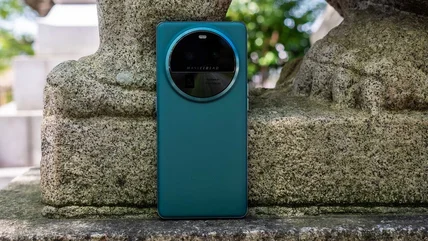
Oppo says the Oppo Find X6 Pro has 3 "main" cameras, all of them with primary camera power -- could it deliver on such an uncommon promise?
-
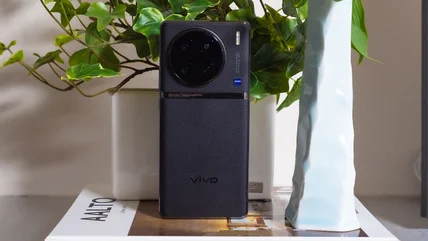
The Vivo X90 Pro is largely focused on its high-powered set of cameras, as well as its ability to charge quickly and stay charged for long periods of time.
-
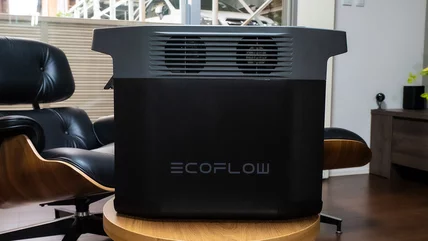
EcoFlow is back with another portable power station for consumers who want a way to keep their devices running when the power is out, but without using gas.
-
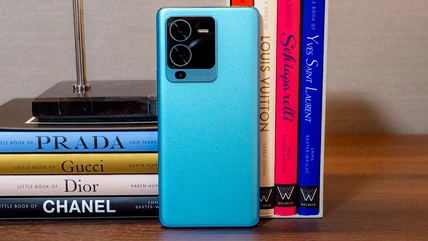
The Vivo V25 Pro is a midrange phone with a name that suggests it is a far more high-end device. And yet, with a display like this, could it be worth the cash?
-
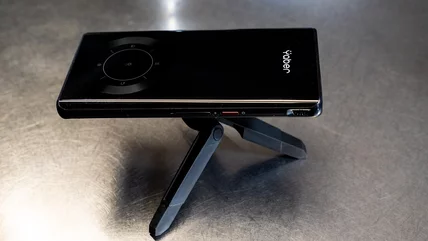
Though phones are a popular way to consume movies, they don't work so well when more than one person wants to watch, and that's where pico projectors come in.
-
Google just made it easier to take notes directly on Wear OS, though only a small number of smartwatch owners will be able to take advantage of it for now.
-
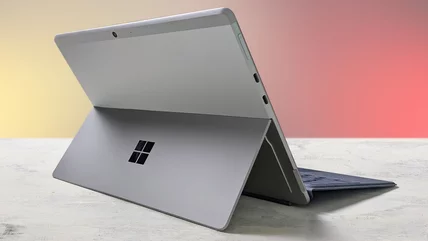
A new leak claims Microsoft has discontinued its Surface Pro X line, but that doesn't mean it is done with ARM-based models. Here's what we know so far.
-
Many people are looking forward to the launch of Google's long-anticipated Pixel Watch, but a new leak suggests its price tag may surprise fans.
-
Apple users know what it's like to enjoy a seamless app experience between devices, but things are a bit rougher on Android. That will soon change.
-
Apple is expected to introduce a pro version of its popular smartwatch series next month, but it may be the 2023 model that really catches everyone's attention.
-
Netflix is working on a new ad-supported streaming tier, but many details are still pending. If a new report proves true, the price may not be all that cheap.
-
The Nintendo Switch and, more recently, the Steam Deck have revitalized handheld gaming, and now we're seeing more PC-based options hit the market.
-
The rumored Project Cambria headset - a model that may launch as the Quest Pro - is closer to reality than ever, according to Meta's Mark Zuckerberg.
-
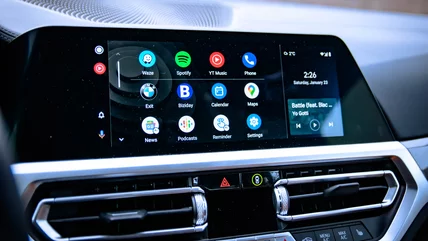
Android Auto has received its 8.0 designation, and that round number may have you convinced this is a major upgrade. Sadly, that's not the case.
-
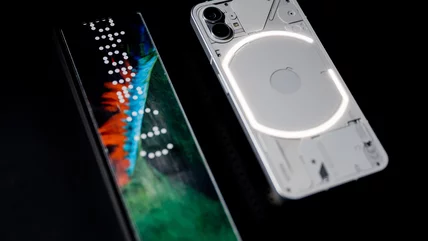
Carl Pei's Nothing launched its first two products amid a sea of controversy and heated debates, and it doesn't look like things will change anytime soon.
-
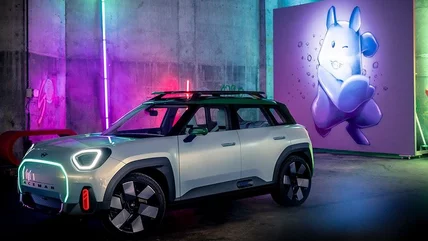
Mini has just unveiled a unique twist on an already interesting EV concept, one that packs Pokemon-themed features under a collab with The Pokemon Company.
-
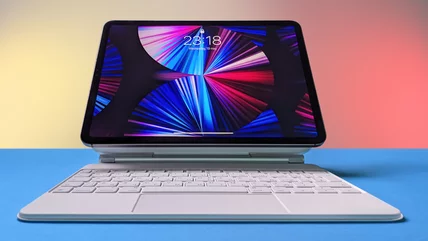
With iPadOS 16, it's clear that Apple is transforming the iPad into something beyond a mere tablet, but the process will include a slight delay.
-
Rumors about the anticipated 10th-generation iPad keep rolling in, and the latest has an interesting take on some leaked details about the camera and Touch ID.
-
Samsung's Galaxy Watch 5 series includes a Pro model, and while it has great specs, there's one subtle design change that may really annoy some consumers.
-
It's no secret that Netflix plans to introduce a cheaper ad-supported tier, but the announcement led to some big questions, including how those ads will work.
-
Samsung will launch the Galaxy S23 lineup in early 2023, but rumors point toward the model largely remaining unremarkable except for one major change.
-
If you have a small space that tends to get too hot with no good way to cool it back down, you may be interested in EcoFlow's portable air conditioner.
-
In addition to its anticipated iPhone 14 launch, Apple is expected to introduce the iPad 10 soon, and it may bring some major design and feature upgrades.
-
We're only weeks away from the official iPhone 14 announcement, and that means more leaks are rolling in. The latest claims you should expect a price hike.
-
Details about the next major Windows 11 update have surfaced, teasing some huge changes, including ones many users have been requesting for quite some time.
-
Google has announced a couple of big changes to its Meet app for web browsers, and one of them will go live for everyone, not just Workspace users.
-
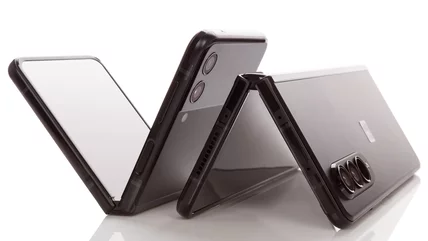
Samsung recently introduced its fourth-generation Fold and Flip foldables. They don't sport the same hinge used by some competitors, but there's a good reason.